10 Red Flags Buyers Should Never Ignore During a Home Inspection
Buying a home is one of the biggest investments most people will ever make. While a house may look perfect during a showing, hidden issues can quickly turn a dream home into a costly repair nightmare. That’s why a professional home inspection is one of the most important steps in the home buying process.
At Kenco Home Inspections, we’ve completed over 100,000 inspections throughout Southeast Florida and have seen firsthand how small warning signs can lead to major expenses if they are overlooked.
Here are 10 home inspection red flags every buyer should pay close attention to before closing on a property.
1. Roof Damage or Aging Roof Systems The roof is one of the most expensive components of a home to replace. Missing shingles, roof leaks, sagging areas, soft spots, or signs of water intrusion in the attic can indicate serious problems. In Florida, harsh sun, heavy rain, and hurricane seasons place additional stress on roofing systems. An aging roof may also create issues with homeowners insurance coverage. A detailed wind mitigation inspection can provide further insight into your roof's storm readiness.
Common Roofing Warning Signs:
Water stains on ceilings
Missing or curled shingles
Active leaks
Soft roof decking
Mold or moisture in attic spaces
2. Foundation Cracks and Structural Issues Not every crack is a major concern, but large foundation cracks, uneven floors, doors that won’t close properly, or shifting walls can point to structural movement. Structural repairs can become extremely expensive and may affect the overall safety and value of the home.
Structural Red Flags Include:
Horizontal cracks in walls
Uneven flooring
Bowing walls
Sticking windows and doors
Sloping floors
3. Electrical Hazards Faulty electrical systems are one of the leading causes of residential fires. Older homes may contain outdated wiring, overloaded panels, double-tapped breakers, or unsafe electrical modifications. An inspection can uncover safety hazards that buyers may never notice during a walkthrough, which is why insurers often require a 4-point inspection for older properties.
Electrical Problems Often Found:
Aluminum wiring
Federal Pacific or outdated panels
Improper wiring
Burn marks in panels
Missing GFCI protection
4. Plumbing Leaks and Water Damage Water damage is one of the most destructive problems a home can have. Hidden leaks can lead to mold growth, damaged drywall, wood rot, and expensive repairs. Many plumbing issues remain hidden behind walls, under sinks, or beneath flooring. If you suspect deeper issues, consider adding a sewer scope inspection to your service.
Signs of Plumbing Trouble:
Water stains
Low water pressure
Active leaks
Corroded pipes
Slow drainage
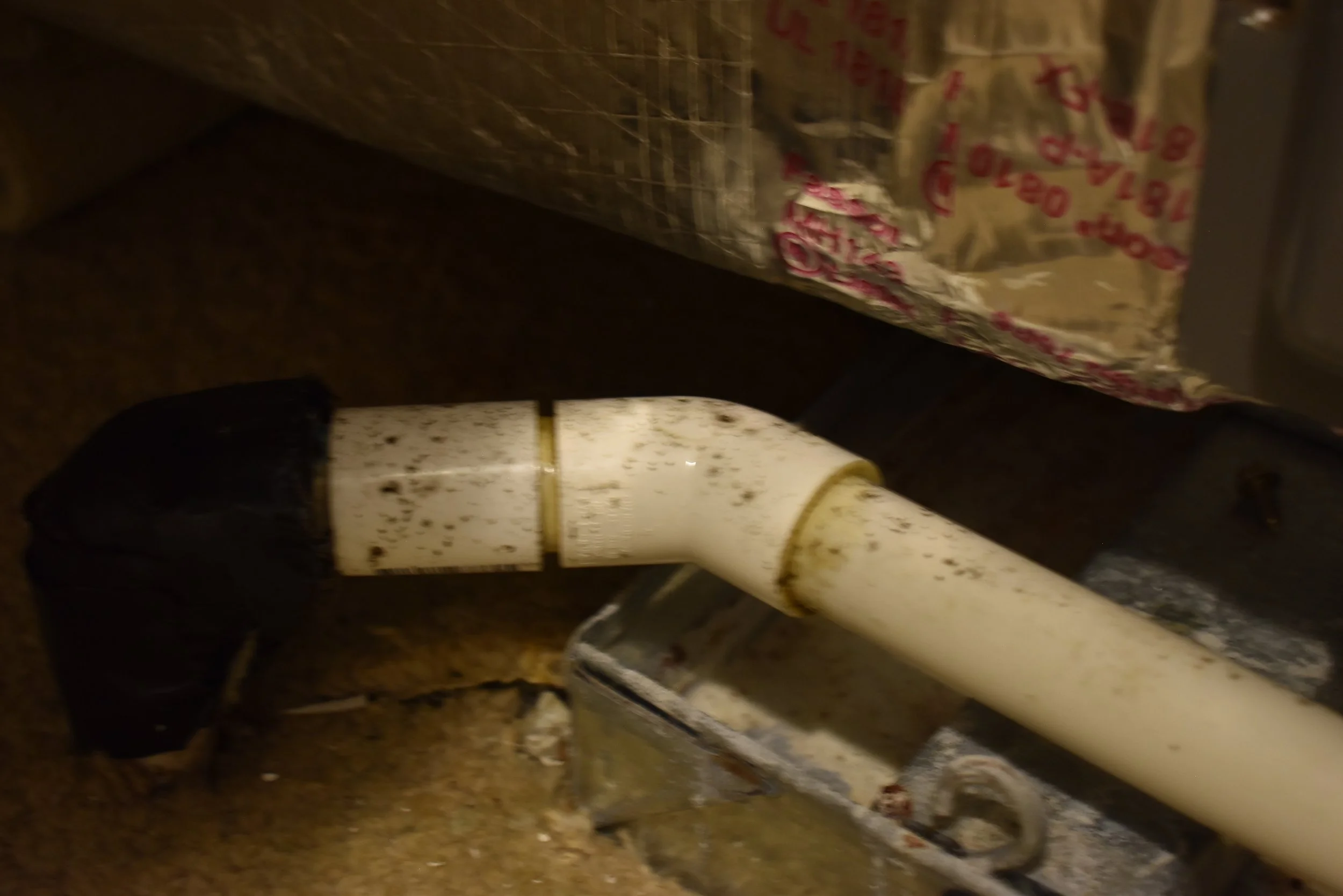
5. Mold and Moisture Intrusion Florida homes are especially vulnerable to moisture-related issues due to high humidity levels and tropical weather. Mold can impact indoor air quality and potentially create health concerns for occupants. Moisture intrusion often indicates larger issues with roofing, plumbing, or HVAC systems. If moisture is detected, specialized mold testing is highly recommended.
Mold Warning Signs:
Musty odors
Visible mold growth
High moisture readings
Poor ventilation
Condensation buildup
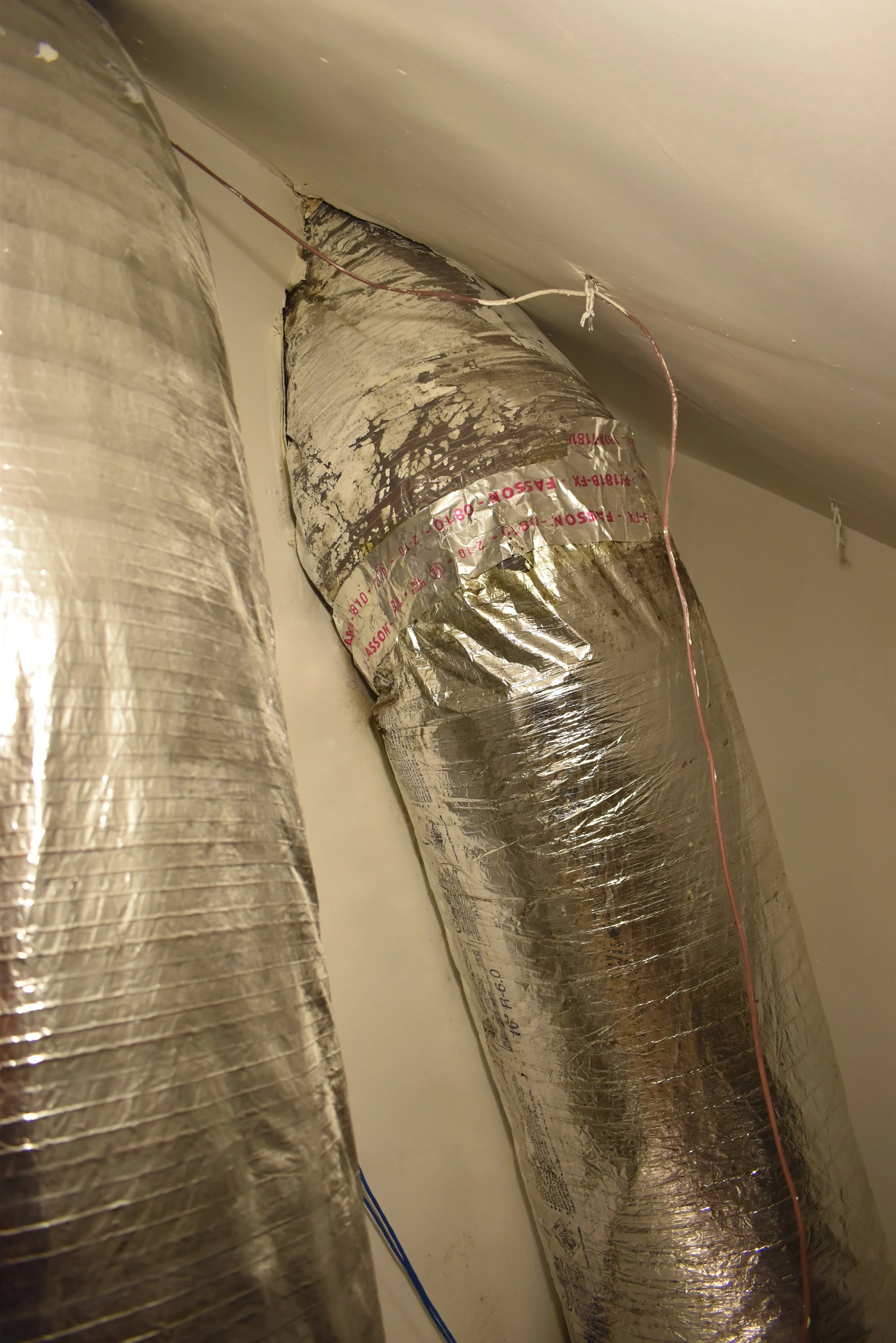
6. HVAC System Problems Replacing an HVAC system can cost thousands of dollars. During a home inspection, inspectors evaluate the visible condition and performance of heating and cooling systems. An older system may still function today but could be nearing the end of its life expectancy.
HVAC Red Flags:
Weak airflow
Rusted components
Poor cooling performance
Dirty coils
Unusual noises
7. Signs of Termite or Pest Damage Termites and wood-destroying organisms can silently damage a home for years before the problem becomes visible. Buyers should never ignore evidence of pest activity, especially in wood-framed homes.
Pest Damage Indicators:
Hollow wood
Mud tubes
Frass (termite droppings)
Wood deterioration
Previous termite treatment signs
8. Poor Drainage Around the Property Improper grading and drainage can lead to standing water, foundation movement, erosion, and flooding concerns. In South Florida, drainage issues can quickly become major problems during heavy rain and hurricane season.
Drainage Problems Include:
Pooling water
Soil erosion
Negative grading
Water intrusion near foundation
Clogged drainage systems
9. Window and Door Deficiencies Windows and doors play a major role in energy efficiency, storm protection, and home security. Damaged or improperly installed openings may allow water intrusion and air leaks. For Florida buyers, impact-rated windows and hurricane protection are especially important considerations.
Common Issues Found:
Broken seals
Rotting frames
Water intrusion
Improper installation
Failed hurricane protection
10. Unpermitted Repairs or DIY Work One of the biggest hidden risks in real estate transactions is unpermitted renovations or poor-quality DIY repairs. Improper electrical, plumbing, roofing, or structural modifications may not meet current building standards and can create future liability for the buyer.
Watch for:
Incomplete renovations
Improper installations
Missing permits
Unsafe workmanship
Hidden modifications
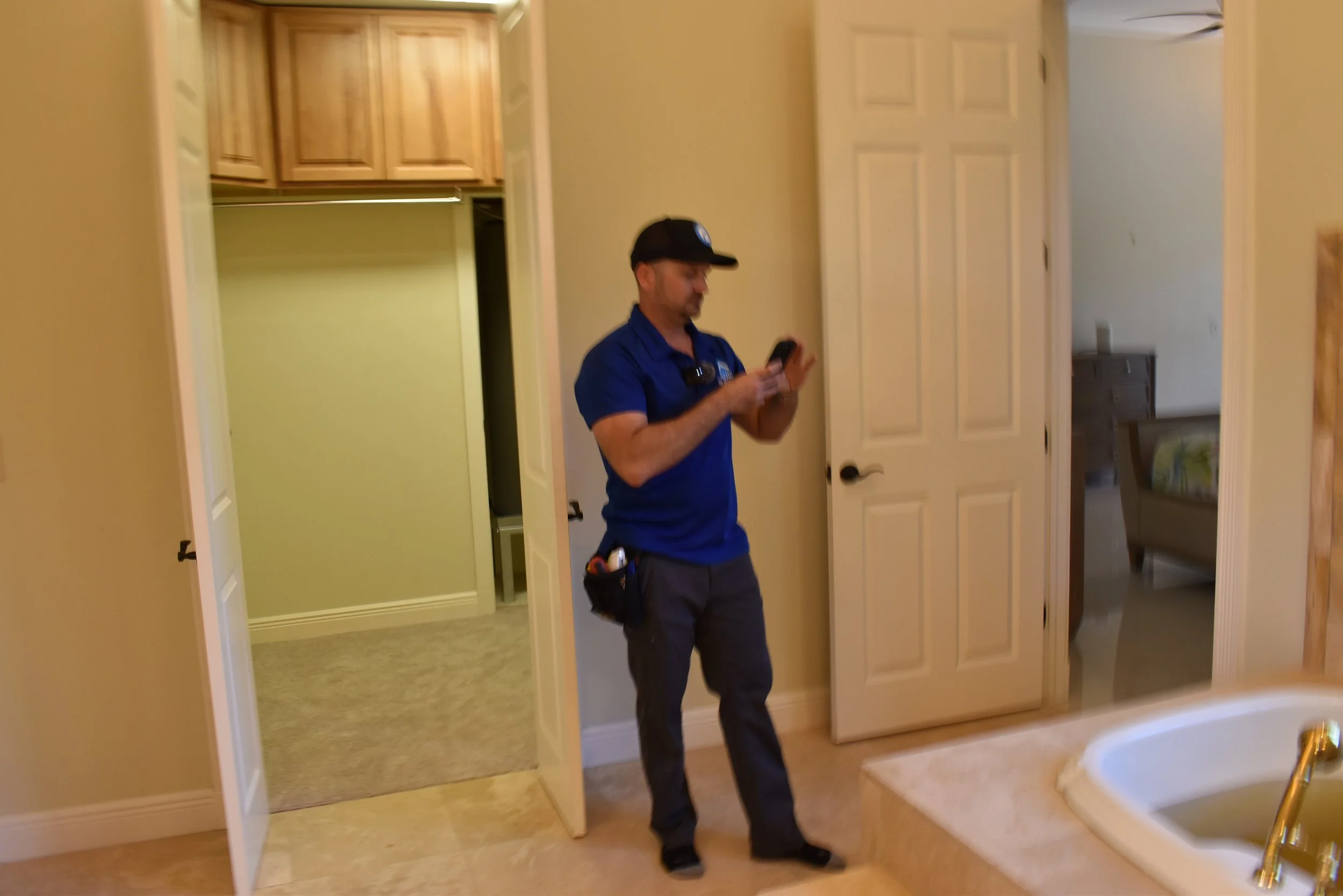
Why a Professional Home Inspection Matters A professional home inspection helps buyers make informed decisions, negotiate repairs, and avoid unexpected expenses after closing. At Kenco Home Inspections, we proudly serve buyers, sellers, real estate agents, and investors throughout Southeast Florida. With over 23 years of experience and more than 100,000 inspections completed, our team is committed to helping clients protect their investment with detailed reporting and trusted expertise.
Whether you’re purchasing a condo, single-family home, waterfront property, or investment property, knowing these red flags can save you thousands of dollars and provide peace of mind during the buying process.
Schedule Your Home Inspection Today
Kenco Home Inspections Serving Southeast Florida from Vero Beach to Fort Lauderdale 📞 561-718-6711 📧 hello@kenco.org“Experience Matters When It Comes to Protecting Your Investment.”