Balcony, Deck, and Railing Safety: Small Defects That Can Become Big Risks
When people think about home inspection issues, they often focus on roofing, plumbing, electrical panels, or moisture intrusion. But some of the most serious defects can be found on the outside of the home — especially around balconies, decks, stairs, and railings.
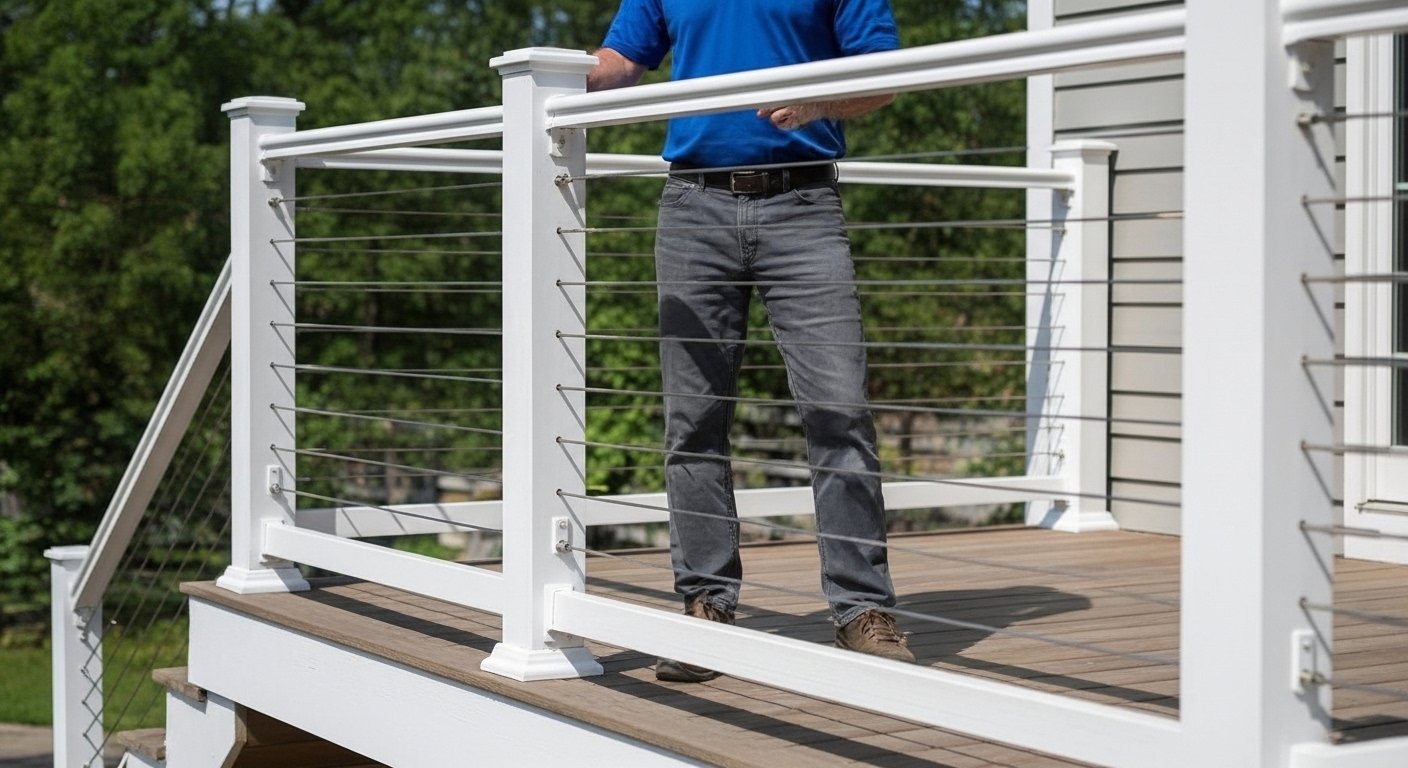
In one recent inspection, Kenco inspector Alex was walking a balcony and doing something simple but important: checking the railing by hand as he moved through the space. When he reached one section and applied pressure, he found that the railing connection was loose enough to raise a real concern. That kind of issue may not look dramatic from a distance, but if a railing is not properly secured, the risk can be serious very quickly.
That is exactly why exterior safety features deserve more attention during a full home inspection.
Why balcony and railing defects matter
A loose handrail or balcony connection may seem like a small issue at first. But these are the components people trust with their body weight. If someone leans against a railing that is weak, improperly fastened, deteriorated, or pulling away from its support, the result can be far more serious than a cosmetic defect.
Deck, porch, and balcony collapses or failures account for thousands of injuries each year, and safety experts emphasize that many injuries happen from railing failure even when the entire structure does not collapse. That is one reason secure guards, rails, stairs, and connection points matter so much.
What inspectors are really looking for
A good inspection is not just about looking at a balcony or deck from a few feet away and moving on. It is about checking whether the components feel stable, whether attachment points appear secure, and whether there are signs of wear, decay, corrosion, movement, or improper repairs.
Fairfax County’s deck-safety guidance recommends paying close attention to connection points, rust or corrosion on fasteners, wood rot or splitting, and whether guards, rails, and stairs are sturdy and well secured. It also recommends annual evaluation and more frequent professional review as a deck or exterior structure ages. Source
Small defects that can become big risks
Some of the most important problems are easy to overlook if no one is physically testing the area.
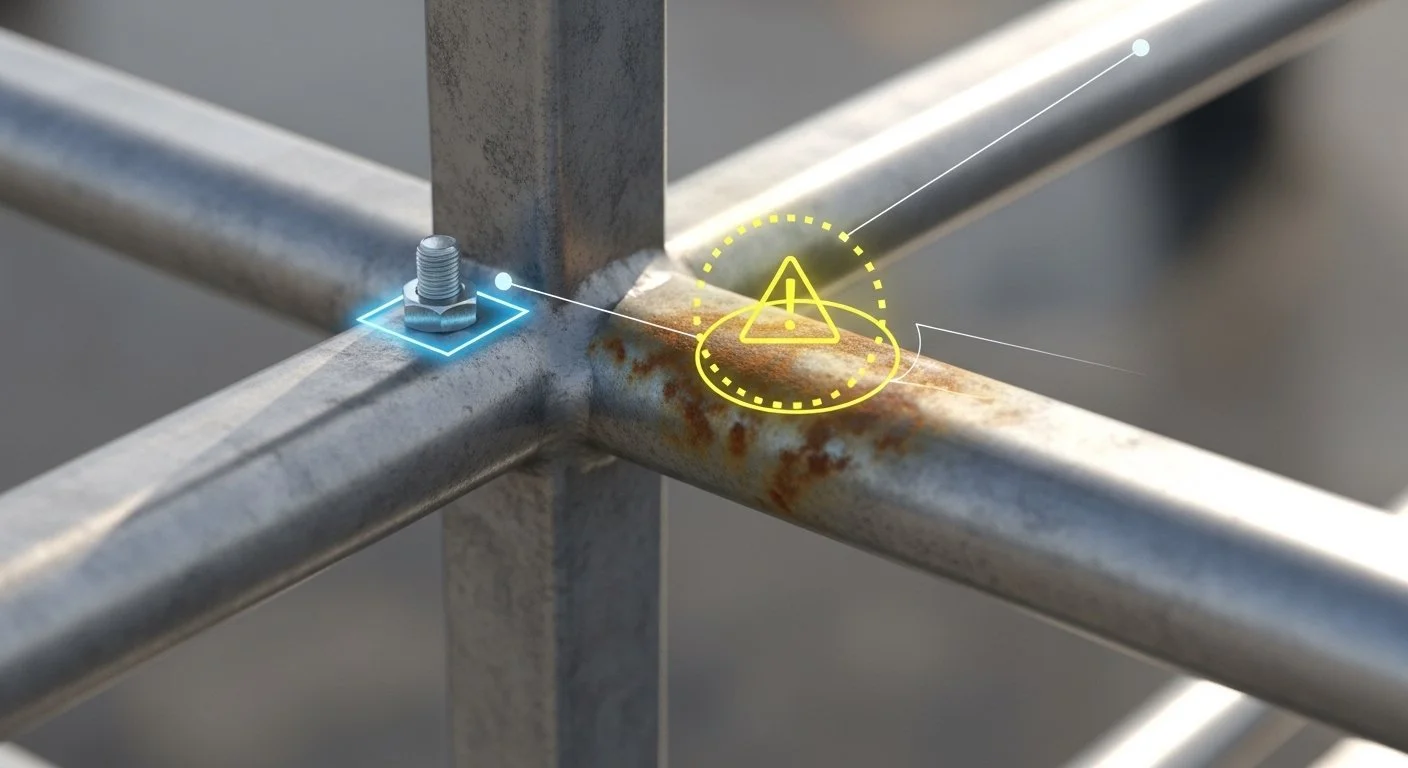
A missing screw, a loose bracket, a weak connection at an older pillar, movement where the railing meets the deck surface, rusted hardware, or deterioration around fasteners can all reduce the reliability of the railing system. In many cases, the issue is not obvious until pressure is applied in a way that mimics real use.
That is why a hands-on inspection matters. A railing can appear acceptable visually and still fail a basic stability check.
Connections matter more than people think
One of the biggest lessons in exterior safety is that connection points often matter as much as the visible surface materials. The International Association of Certified Home Inspectors notes that many deck failures begin at critical attachment areas and that rail failure is a major source of injury. Their deck inspection guidance also highlights common safety concerns involving loose rails, improper guardrail details, unsafe stair conditions, and weak structural connections. Source
For homeowners and buyers, that means surface appearance alone is not enough. A balcony or deck may look recently painted or visually clean and still have important underlying safety concerns.
Common warning signs around balconies, decks, and railings
Some red flags include noticeable movement when a railing is touched, loose or unstable guard sections, visible rust or corrosion on connectors, cracked or split wood, deterioration around posts, weak attachment to the home or supporting structure, and unsafe stair or handrail conditions.
InterNACHI’s deck-inspection guidance also points to problems such as missing graspable handrails on stairs, unsafe spacing in guard components, and improper connection details that can weaken the overall assembly. Source
In short, what seems minor can represent a larger safety issue — especially in older exterior assemblies that have seen years of weather exposure, movement, repairs, and deferred maintenance.
Why this matters for buyers, sellers, and homeowners
For buyers, balcony and railing problems can affect both safety and future repair costs. A thorough home inspection helps identify concerns before closing so you can better understand the property and make more informed decisions.
For sellers, these defects can become negotiation issues if they are discovered late. Addressing obvious exterior safety concerns ahead of time through a pre-listing inspection may help reduce surprises during the transaction.
For current homeowners, it is a reminder that exterior features should not be ignored just because they are used casually every day. If a deck, balcony, or railing is older, has visible wear, or does not feel solid, it deserves attention.
Why professional inspection matters
Kenco’s inspection services include review of exterior components and safety-related areas, and the company’s service information specifically notes items such as patios, decks, and retention walls as part of relevant inspection coverage. Kenco has also completed more than 100,000 inspections and has more than 23 years of experience serving Southeast Florida. SourceSource
That experience matters because the goal is not just to point at defects — it is to recognize which conditions are cosmetic, which ones suggest deferred maintenance, and which ones may represent a real safety issue that should be corrected promptly.
What to do if a railing or balcony issue is found
If a railing feels loose, a connection appears compromised, or part of a balcony or deck seems unstable, it is best not to treat it as a minor annoyance. Limit use of the area until it can be properly evaluated and repaired by the appropriate qualified professional.
The safest next step is getting clear documentation through an inspection, understanding the concern, and then following up with the right repair path. If you are buying, selling, or maintaining a property and want a more complete picture of its condition, you can review Kenco’s inspection services or schedule directly through Kenco Home Inspections.
Final thoughts
Some defects are obvious. Others only show up when an experienced inspector actually checks how a component performs in the real world.
A balcony railing with a loose connection, a missing fastener, or movement at a support point may look like a small detail, but it can represent a much bigger safety concern. That is why careful, thorough inspections matter.
If you want help identifying exterior safety concerns before they become larger problems, schedule a full home inspection with Kenco Home Inspections or call 561-718-6711.