Mold in South Florida Homes: What's New in 2026
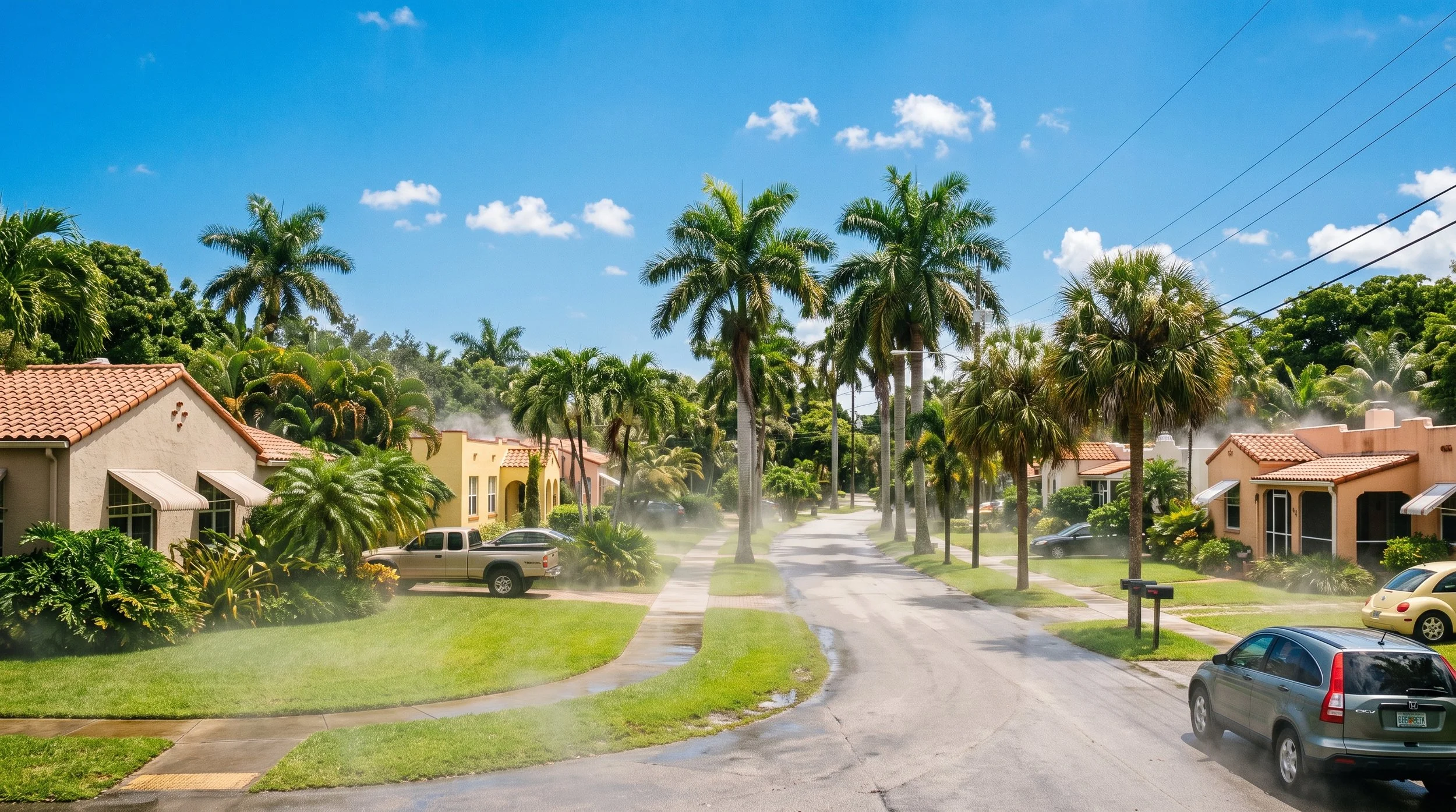
If you own a home in South Florida — or are buying one — mold is not a question of if, it is a question of when.
The humid, tropical climate of Palm Beach, Broward, and Miami-Dade counties creates the perfect breeding ground for mold growth. Combine that with our frequent summer thunderstorms, hurricane season flooding risks, and older housing stock, and you have a region where mold is not just a seasonal nuisance — it is a year-round threat to both your home's structural integrity and your family's health.
In 2026, the good news is that detection technology has evolved dramatically, prevention strategies are more sophisticated than ever, and professional inspectors like Kenco are equipped with better tools than ever to identify mold before it becomes a catastrophic problem.
Here is everything you need to know about mold in South Florida homes in 2026.
Why South Florida is a Mold Hotspot
Unlike cooler northern climates where mold growth slows significantly in winter, South Florida's year-round warm temperatures and extremely high humidity levels mean mold can grow and spread at full speed every single month of the year.
The relative humidity in Palm Beach, West Palm Beach, Jupiter, and surrounding areas regularly exceeds 80% during the summer months — and often stays elevated even during the drier winter season. When indoor humidity rises above 60%, mold spores — which are present virtually everywhere in nature — land on organic surfaces and begin to grow immediately.
Add to that:
Hurricane season flooding — storm surge and roof damage from tropical systems
Older housing stock — many South Florida homes were built in the 1970s through 1990s with materials (like wood framing and drywall) that are highly susceptible to mold
Air conditioning condensation — running AC creates significant moisture inside ductwork and on cold surfaces
Poor ventilation — tightly sealed modern homes trap humidity inside
For these reasons and more, mold inspections and Indoor Air Quality Testing are among the most requested add-ons for home buyers in South Florida in 2026.
What's New in 2026: Advanced Detection Technology
Gone are the days when an inspector simply relied on visual observation to find mold. In 2026, professional inspectors are equipped with a suite of high-tech tools that can detect mold growth long before it becomes visible to the naked eye.
1. Digital Thermal Imaging Thermal cameras detect temperature differences behind walls, under floors, and in crawlspaces. Because mold growth is almost always accompanied by moisture — and moisture has a different thermal signature than dry materials — thermal imaging can identify hidden problem areas before any visible mold appears.
2. Moisture Meters Professional-grade pin and pinless moisture meters give inspectors exact percentage readings of moisture content in building materials. Dry drywall reads between 1-5% moisture. Anything above 17% is considered high enough to support mold growth. This precise data allows inspectors to document exactly where moisture is entering the home.
3. Air Quality Sampling (Lab-Certified) Air sampling cassettes (like the ones shown in our recent inspection footage) capture ambient mold spores and send them to independent certified laboratories for analysis. The lab results tell you exactly which species of mold are present and in what concentration — critical information for understanding the severity of the situation.
4. UV Light Scanning Long-wave UV lights can reveal organic growth on surfaces that may not be visible under normal lighting. Mold has a distinctive fluorescent appearance under UV light, allowing inspectors to sweep entire walls, ceilings, and HVAC ductwork in minutes.
The Health Risks of Mold Exposure
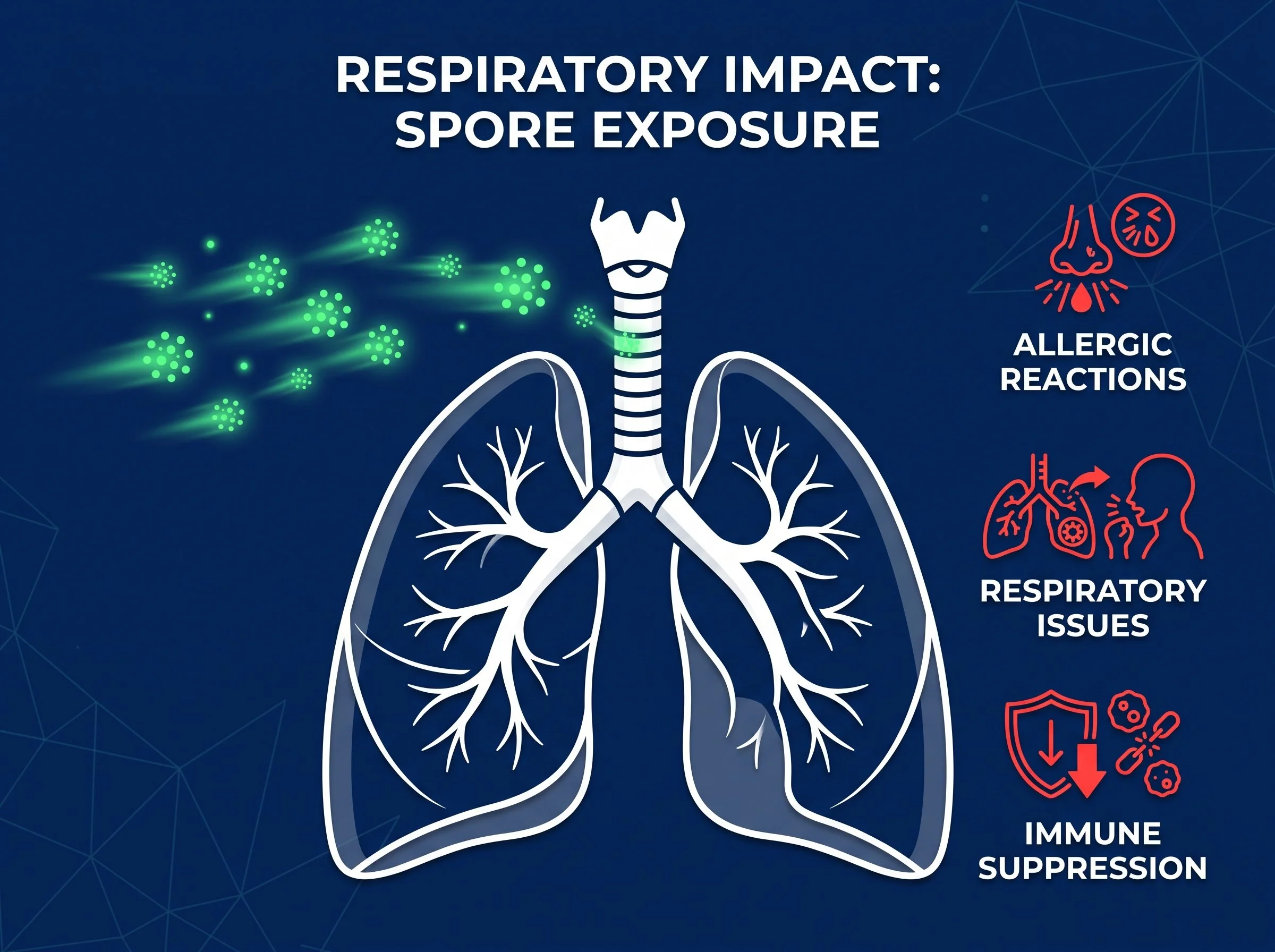
Mold is not just an aesthetic problem. It is a serious health concern, especially in a region like South Florida where exposure can be prolonged and undetected for months or years behind walls and under floors.
The health effects of mold exposure vary depending on the individual, the species of mold, and the concentration level. However, common symptoms and risks include:
Allergic Reactions — sneezing, runny nose, red eyes, and skin rashes
Respiratory Issues — coughing, wheezing, shortness of breath, especially in individuals with asthma
Immune System Suppression — prolonged exposure can weaken the immune system over time
Mycotoxin Exposure — certain species of mold (like Stachybotrys , commonly known as "black mold") produce toxic compounds that can cause neurological symptoms, fatigue, and in severe cases, organ damage
Children and Elderly — vulnerable populations are at significantly higher risk of serious health effects from mold exposure
For these reasons, Mold Testing is one of the most important steps a South Florida home buyer can take before closing.
Prevention: What South Florida Homeowners Need to Do in 2026
Prevention is always the best medicine — and in South Florida, proactive maintenance can mean the difference between a minor cosmetic fix and a full mold remediation costing tens of thousands of dollars.
1. Control Indoor Humidity Keep indoor relative humidity between 30% and 50% at all times. In South Florida, this almost always requires running air conditioning, even when you are not home. Consider installing a whole-home dehumidifier if your HVAC system is struggling to keep up.
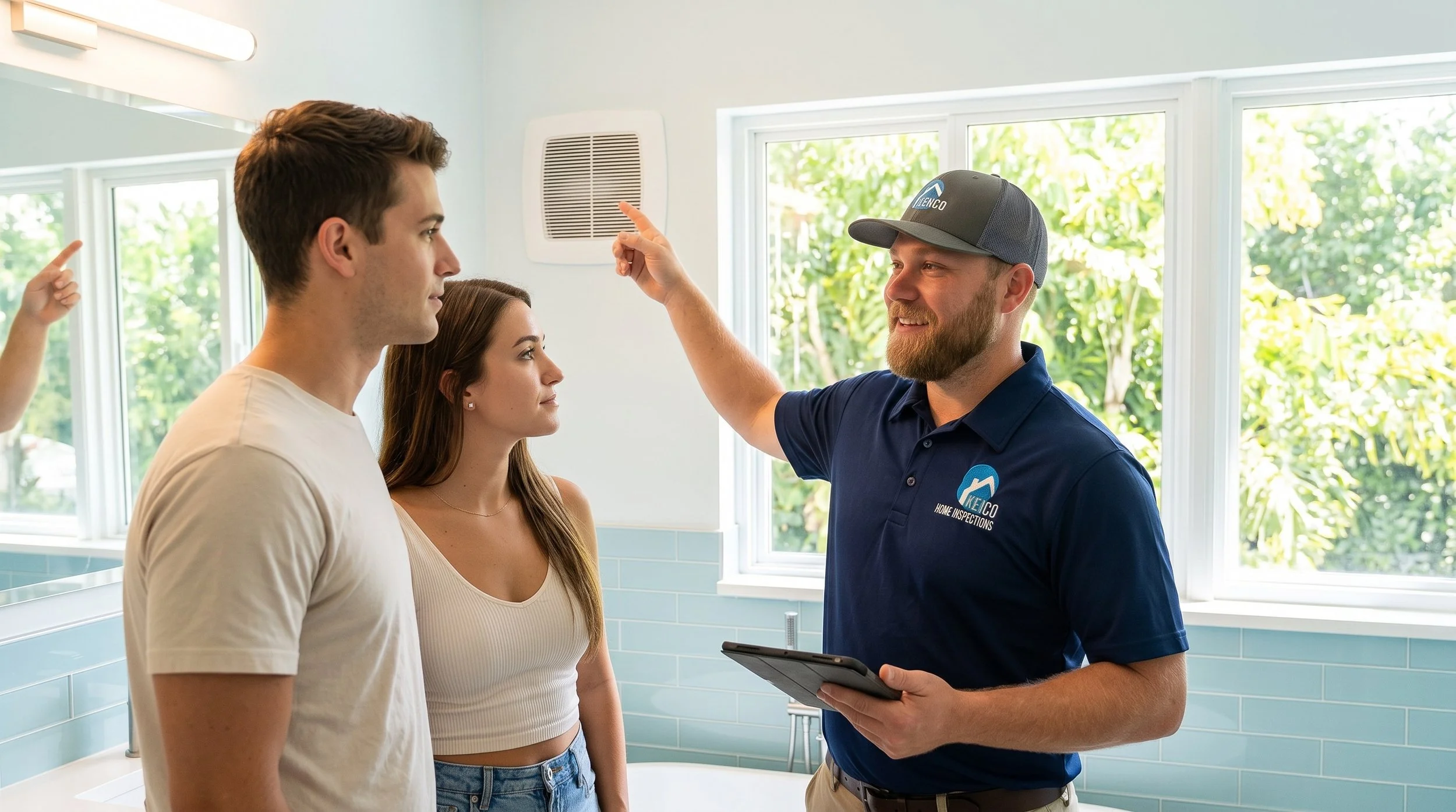
2. Ensure Proper Ventilation Every bathroom, kitchen, and laundry room in the home should have a functioning exhaust fan that vents directly to the outside — not into the attic. Inspect and clean exhaust fan ductwork annually.
3. Address Water Damage Immediately Any water intrusion event — a roof leak, a burst pipe, a flooding dishwasher — needs to be fully dried within 24-48 hours. Mold can begin growing in as little as 24-72 hours after materials become wet. Time is your enemy.
4. Inspect Your HVAC Ductwork In older South Florida homes, HVAC ductwork installed in unconditioned attics or crawlspaces is highly susceptible to condensation and mold growth. Have your ductwork inspected and consider upgrading to sealed, insulated ductwork.
5. Grade Your Property Correctly Ground around the home's foundation should always slope away from the house. If water pools against the foundation after a heavy rain, it will eventually find its way inside.
Treatment: What to Do If You Find Mold
Finding mold in your home — whether during an inspection or during homeownership — does not automatically mean disaster. Treatment depends on the size and severity of the contamination.
Small Surface Mold (under 10 square feet) — Can often be cleaned by the homeowner using appropriate protective gear, HEPA vacuum, and mold-specific cleaning solutions.
Moderate Contamination (10-100 square feet) — Requires a certified mold remediation contractor. Never attempt to remediate moderate to severe mold yourself.
Severe Contamination (over 100 square feet) — Requires professional remediation by a licensed contractor, full containment of the affected area, negative air pressure controls, and proper disposal of contaminated materials.
Post-Remediation Testing — After any significant remediation, a professional air quality test should be performed to confirm the home is safe before re-occupancy.
Peace of Mind Starts Here
Mold is a fact of life in South Florida — but it doesn't have to be a crisis. With the right inspections, the right technology, and a proactive maintenance plan, you can protect your home and your family from the health and financial risks that mold poses.
At KENCO Inspections, we utilize every available tool — thermal imaging, moisture meters, UV scanning, and certified air quality sampling — to give you the complete picture of your home's mold risk before you buy.