Plumbing Problems in Older Homes: What to Watch For in 2026, Water Efficiency and Leak Prevention Tips
Older homes often come with character, craftsmanship, and established neighborhoods — but they can also come with plumbing surprises that are easy to miss until they become expensive. For buyers and homeowners in 2026, plumbing concerns are about more than a dripping faucet. Aging supply lines, worn drain systems, hidden leaks, outdated fixtures, and moisture-related damage can all affect your budget, your insurance needs, and your long-term maintenance plan.
That is why plumbing deserves close attention, especially in homes that are 30 years old or older. A professional full home inspection can help identify visible plumbing defects, water pressure issues, water heater concerns, fixture problems, and signs of leakage before they turn into larger repairs. Kenco notes that its inspections include water pressure and flow testing, fixture functionality and condition, water heater age and operation, and leak detection throughout the home. Source
Why plumbing in older homes deserves extra attention
One of the biggest reasons plumbing issues go unnoticed is that many of them develop slowly. Corrosion builds inside pipes. Shut-off valves become stiff or unreliable. Drain lines deteriorate over time. Moisture behind walls or under sinks may not be obvious until staining, odors, or mold appear.
EPA says the average household’s leaks can waste more than 9,300 gallons of water every year, and fixing easily corrected leaks can save homeowners about 10 percent on water bills. That makes leak detection just as important for day-to-day ownership as it is during a transaction. Source
1. Aging supply pipes and outdated materials
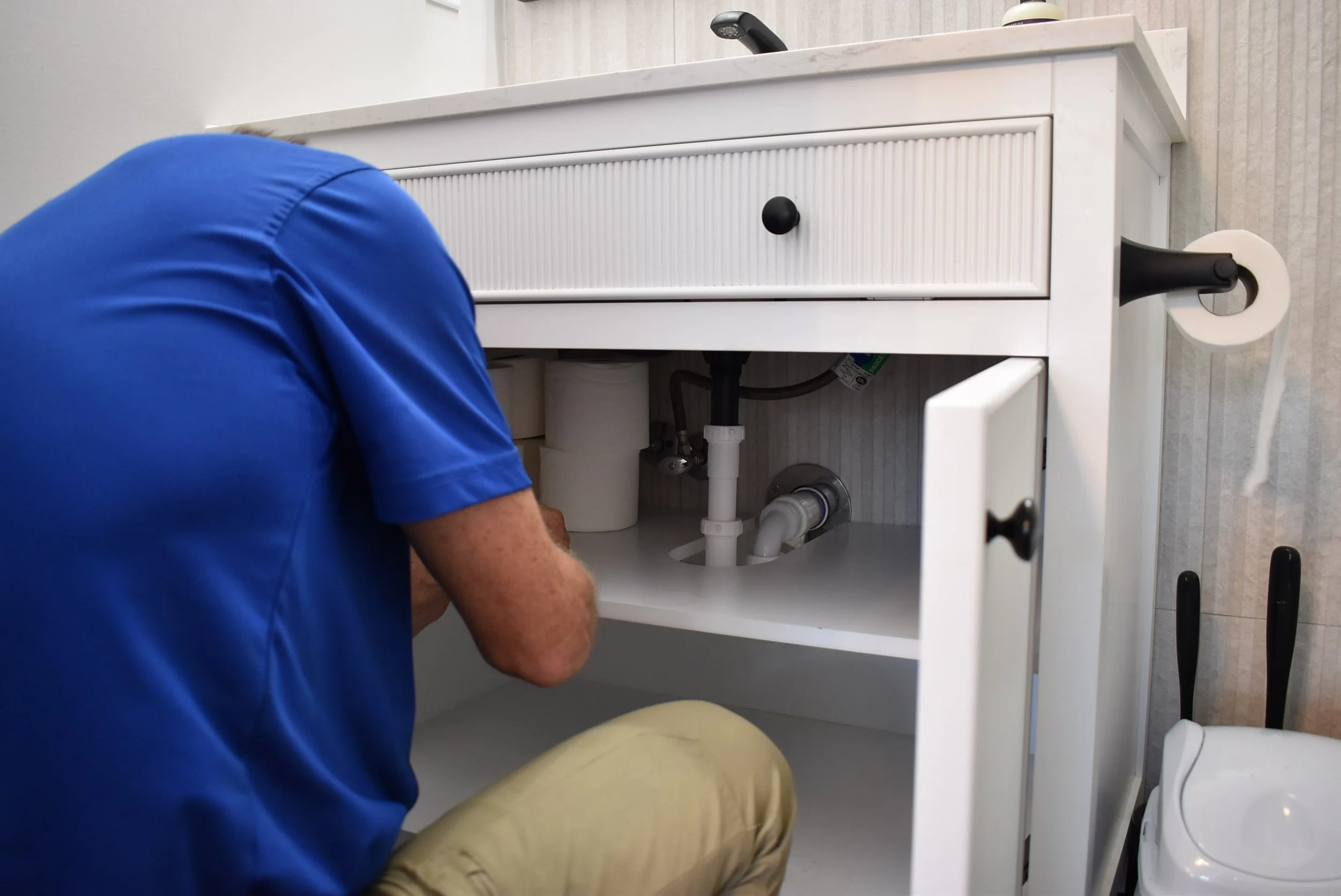
When older homes still have original plumbing, material type matters. In Florida and other older housing markets, buyers may encounter galvanized supply piping, older soldered connections, aging shutoffs, or homes that were repiped during the polybutylene era.
EPA notes that in older homes, lead can enter drinking water when plumbing materials corrode. Homes built before 1986 are more likely to have lead-related plumbing concerns, and even galvanized pipe can collect lead particles on its surface over time. That does not mean every older home has unsafe water, but it does mean pipe age and material deserve closer attention when planning upgrades or renovations. SourceSource
Kenco’s own older-home guidance also points out that unresolved plumbing issues and older piping materials can lead to costly water damage and may fail over time. Source
2. Drain line problems and sewer surprises
Supply piping is only part of the picture. In many older homes, the drain and sewer side can be just as important. Slow drains, recurring backups, sewer odors, and previous patchwork repairs can all point to a larger issue further down the line.
That is where a sewer scope inspection can add major value. Kenco recommends sewer scoping because drain lines can deteriorate over time and hidden defects may not show up during a basic walkthrough. Kenco also notes that sewer repairs can exceed $20,000, which is why this step can be especially worthwhile before closing on an older property. Source
3. Water heaters, valves, and fixture wear
Not every plumbing problem is hidden behind a wall. Older homes often reveal their age through the smaller components: corroded shut-off valves, dated fixtures, low flow, wobbly toilets, tired caulking, signs of previous leaks under sinks, or a water heater near the end of its service life.
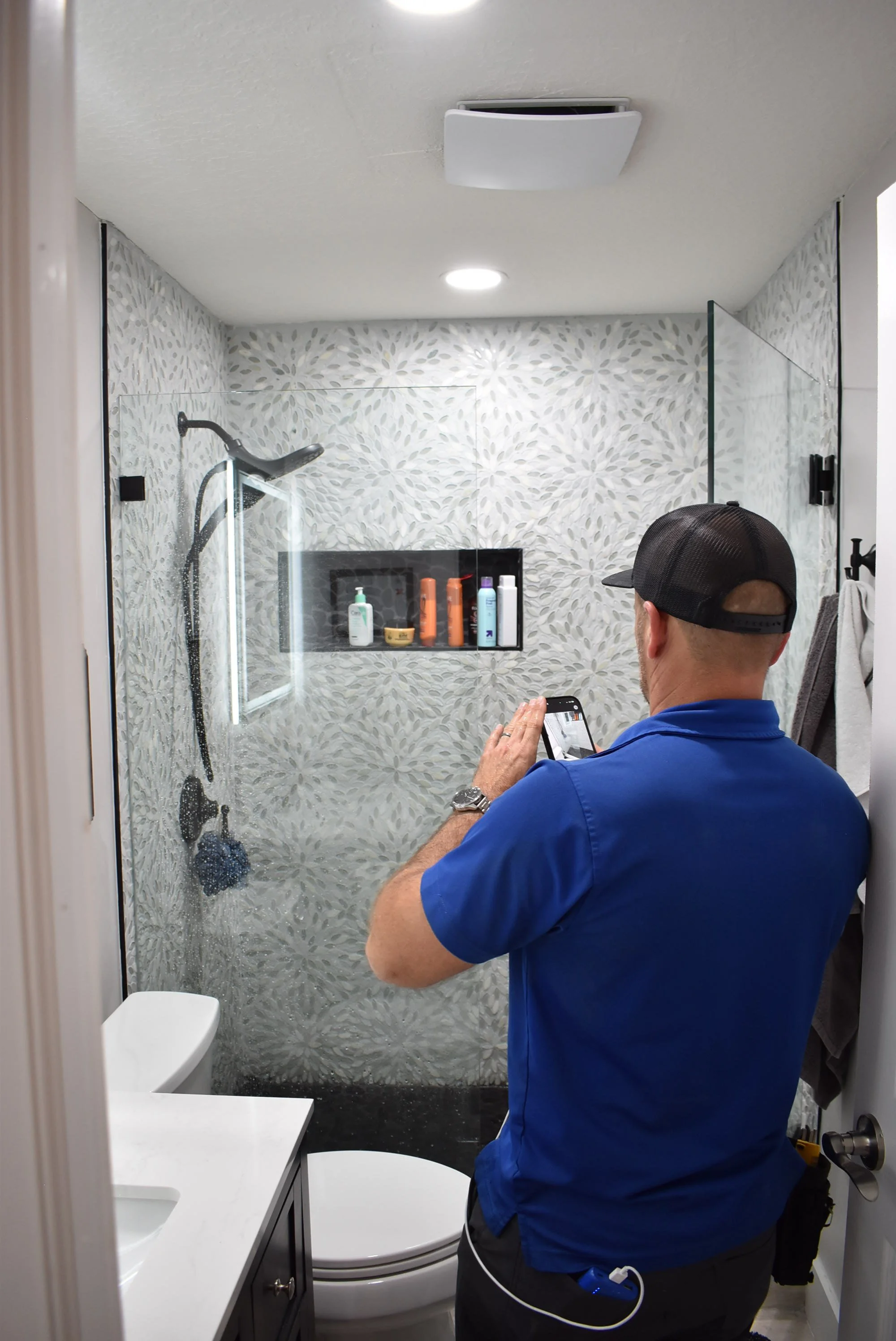
Kenco’s full home inspections and four-point inspections both address practical plumbing concerns such as supply line materials, drain line condition, fixture age and functionality, water heater condition, and leak detection throughout the property. In Florida, a four-point inspection is especially relevant for homes over 30 years old or when changing insurance carriers. SourceSource
4. Hidden moisture can turn a plumbing issue into a mold issue
One of the most expensive parts of a plumbing leak is not always the plumbing repair itself — it is the damage that develops around it. A slow leak under a sink, behind a wall, around a tub, or near HVAC components can create the conditions for staining, wood deterioration, and mold growth.
Kenco’s mold inspection and testing service is particularly relevant in South Florida because the company notes that hidden moisture, HVAC contamination, and high-humidity environments can accelerate mold-related issues. That means a plumbing concern in an older home may also need to be evaluated from an indoor air and moisture perspective, not just a repair perspective. Source
5. Water efficiency matters more in 2026
In 2026, buyers are not just thinking about whether plumbing works — they are also thinking about whether it works efficiently. Replacing outdated fixtures can reduce waste, lower water-heating demand, and help older homes perform more like newer ones.
EPA says WaterSense-labeled bathroom faucets use a maximum of 1.5 gallons per minute and can reduce sink flow by 30 percent or more compared with the older 2.2 gpm standard. EPA also says replacing old, inefficient faucets and aerators can save the average family about 700 gallons of water per year and nearly 11,000 gallons over the lifetime of the fixtures. Source
That makes simple plumbing upgrades worth considering after purchase, especially if the home still has older bathroom fixtures, worn aerators, or evidence of long-term leakage.
6. Practical leak-prevention tips for older homes
For buyers and homeowners trying to stay ahead of repairs, the best approach is to combine inspection findings with simple prevention habits.
Start by learning where the main water shutoff is located and making sure it is functional. Watch for changes in water pressure, rising water bills, musty odors, cabinet staining, or fixtures that seem to run longer than they should. Test toilets for silent leaks and keep an eye on water heater age and condition. EPA says even a faucet dripping once per second can waste more than 3,000 gallons per year, and worn toilet flappers are one of the most common causes of silent household leaks. Source
If the property has older infrastructure, private septic, or questions about water quality, Kenco’s broader inspection services can also help you decide whether additional evaluations such as septic or water-quality-related services make sense. Source

7. Why this matters before closing — and after
The value of a plumbing-focused inspection is not just finding defects. It is helping buyers understand repair priorities, possible near-term costs, and whether a property needs additional evaluation before the deal is final. It can also help current homeowners make smarter upgrade decisions instead of reacting to emergencies.
Kenco says it has served Southeast Florida since 2003, completed over 100,000 inspections, and provides same-day digital reports with photos. For buyers looking at older Florida homes, that combination of experience, reporting, and related services can be especially helpful when plumbing concerns intersect with insurance, moisture, or aging systems. SourceSource
Final thoughts
Older homes can be excellent properties to buy and enjoy, but plumbing should never be treated as an afterthought. Aging pipes, sewer line issues, water heater wear, hidden leaks, and outdated fixtures can all affect cost, comfort, and long-term planning. The good news is that many of these concerns can be identified early — and many water-wasting issues can be improved with smart repairs and efficient upgrades.
If you are buying an older home or planning maintenance on one you already own, a professional inspection can help you move forward with better information and fewer surprises.
Need clarity before you buy — or a plan for what comes next?
Explore Kenco’s full home inspections, four-point inspections, sewer scope inspections, and mold inspection & testing, or schedule your inspection here. Kenco serves Palm Beach, Broward, St. Lucie, Martin, and Indian River counties. Source