

What to Do After a Flood: A Step-by-Step Recovery Guide for Homeowners
What to Do After a Flood: A Step-by-Step Recovery Guide for Homeowners
Flooding is one of the most stressful situations a homeowner can face. Whether caused by a burst pipe, heavy rainfall, or rising groundwater, water intrusion can quickly lead to long-term damage if not handled properly. Mold, weakened foundations, and ruined belongings are just the beginning.
The good news? By following the right steps, you can minimize damage and restore your home with confidence.
Step 1: Put Safety First
Your first priority is protecting yourself and your family.
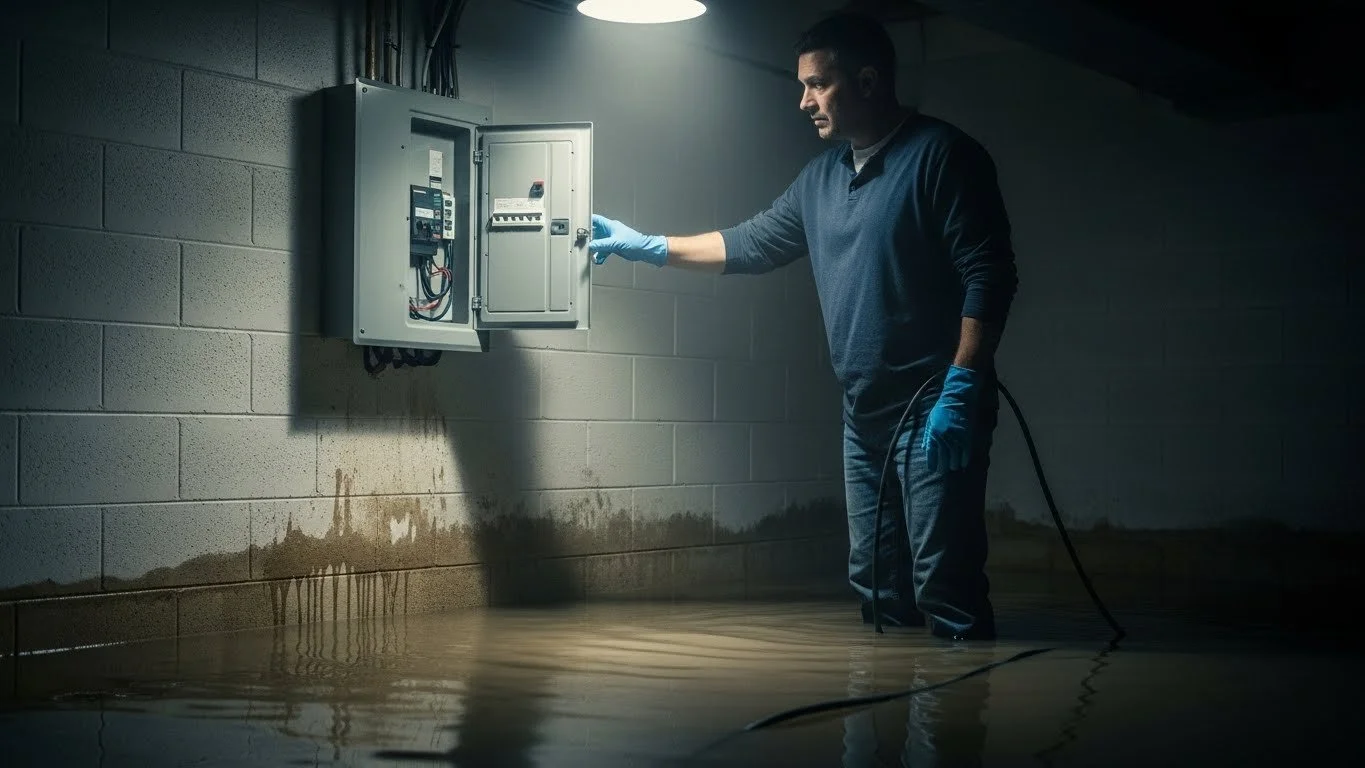
Turn off the electricity at the breaker before entering a flooded area.
If you can’t safely access it, contact your utility company.
Keep in mind that floodwater can compromise walls and floors, making them unstable.
Step 2: Stop the Water at the Source
Burst Pipe? Shut off your home’s main water supply immediately.
Heavy Rain or Natural Flooding? Wait until the water has receded before attempting cleanup. Entering too early can put you at risk.

Step 3: Remove Water and Damaged Materials
Use pumps, wet/dry vacuums, or call a professional service for larger jobs.
Discard waterlogged carpets, upholstered furniture, and electronics.
Dry salvageable items quickly to prevent mold growth.
Step 4: Dry Out and Disinfect
Moisture is mold’s best friend—acting quickly makes a difference.
Open windows, run fans, and use dehumidifiers.
Disinfect all hard surfaces with a bleach solution or antimicrobial cleaner.
Always wear protective gloves and masks during cleanup.
Step 5: Inspect for Hidden Damage and Future Prevention
Once cleanup is complete, it’s time to check for underlying issues.
Look for cracks in walls, flooring, or the foundation.
Apply waterproof sealants where needed.
Consider long-term solutions like sump pumps with backup batteries.
Improve exterior drainage with grading, gutters, or French drains.

Step 6: Call in the Experts
If the damage is extensive—or if you’re unsure about your home’s condition—contact water damage restoration professionals and schedule a comprehensive home inspection.
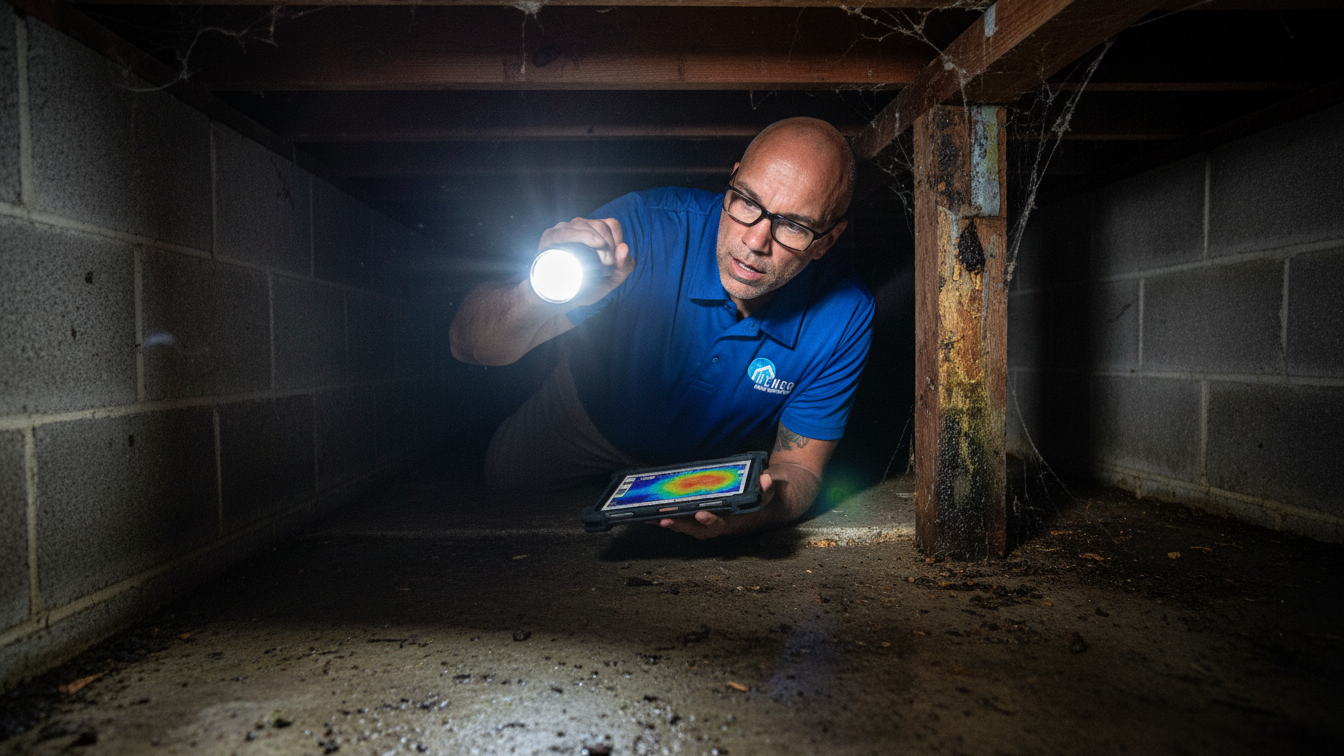
An inspection can reveal risks that aren’t visible to the untrained eye, such as:
Hidden moisture inside walls or crawl spaces.
Electrical or structural hazards.
Long-term flood vulnerabilities.
Once the home is safe to enter, thorough cleanup and sanitation are critical. For additional practical guidance, read: How Do You Clean a House After Flooding?.
Final Thoughts
Flooding is overwhelming, but having a clear plan helps you regain control. Prioritize safety, remove water quickly, dry and disinfect thoroughly, and take preventive steps to protect your home against future floods.
At Kenco Home Inspections, we’ve spent over 23 years helping Florida homeowners understand their home’s risks and safeguard their investment.
Call us at 561-718-6711 or email hello@kenco.org to schedule your inspection today.
Follow us on social media for more homeowner safety tips and resources.