Why Is a Mold Inspection So Important for Florida Homes?
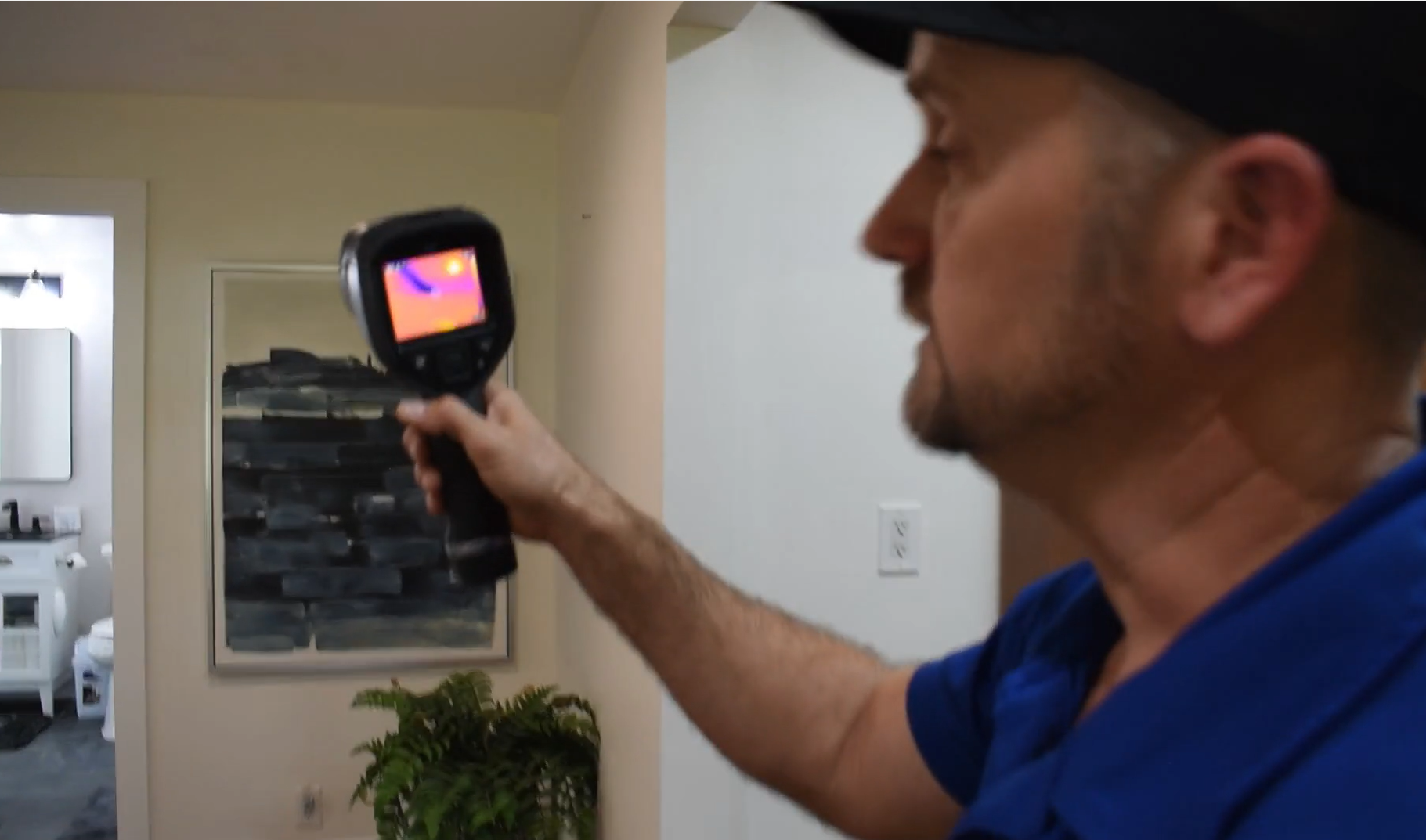
Mold is far more than an unsightly blemish on a baseboard or ceiling—it is a direct symptom of hidden moisture or active water intrusion. In Florida, our subtropical climate provides the exact heat and relative humidity mold spores require to colonize in as little as 24 to 48 hours.
Whether you are purchasing a property, preparing to list, or maintaining your primary residence, a specialized mold inspection and testing assessment reveals hidden vulnerabilities that standard walk-throughs simply cannot detect.
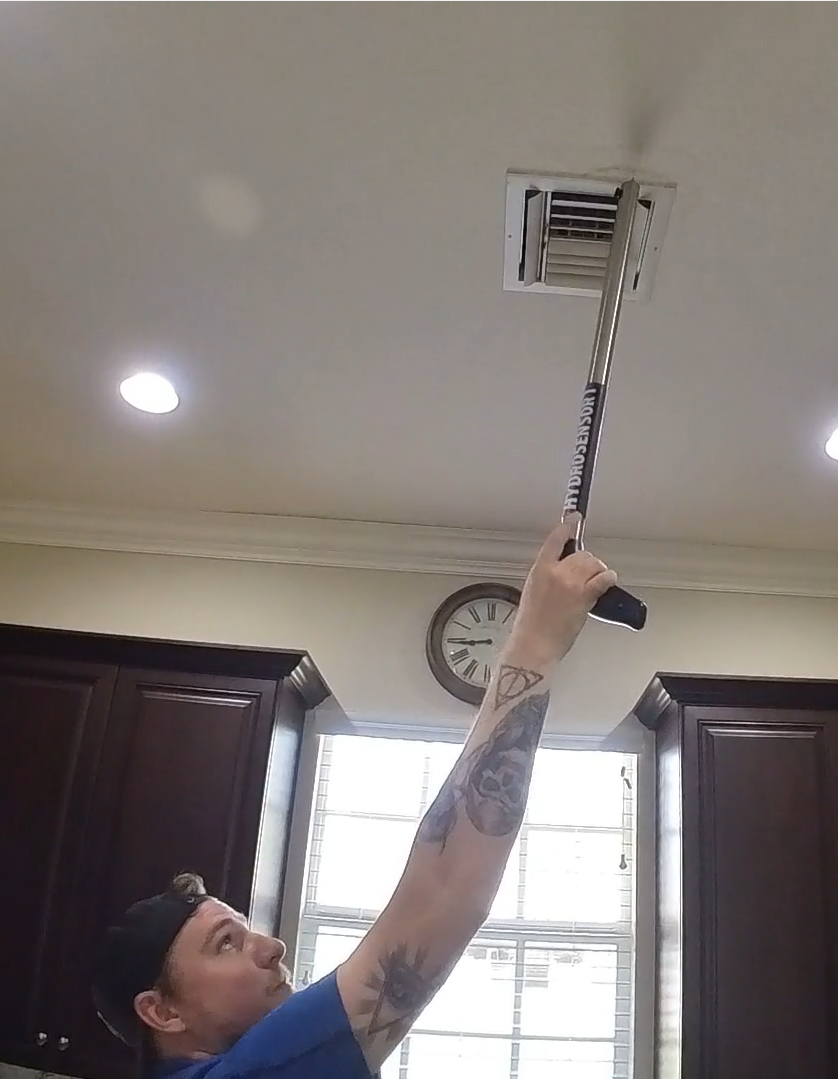
Where Does Mold Hide in Florida Properties?
Because mold thrives in dark, damp, and undisturbed cavities, substantial colonization frequently occurs out of direct sight.
Behind Drywall and Under Baseboards: Minor plumbing leaks within wall framing or past storm intrusion often remain unnoticed until structural drywall degrades.
Around HVAC Systems and Ductwork: Air conditioning units run nearly year-round in South Florida. Clogged condensate drain lines, overflowing drip pans, and uninsulated duct runs create prime breeding environments.
Under Kitchen and Bathroom Sinks: Slow valve drips and hairline pipe leaks saturate cabinetry and subflooring over time. Pairing your review with a sewer scope inspection can also ensure main drain lines are clearing waste properly without backing up.
Attics and Crawlspaces: Poor roof ventilation and damaged roof flashing trap extreme humidity and heat under the roof deck.
The Subtle Warning Signs of Hidden Moisture
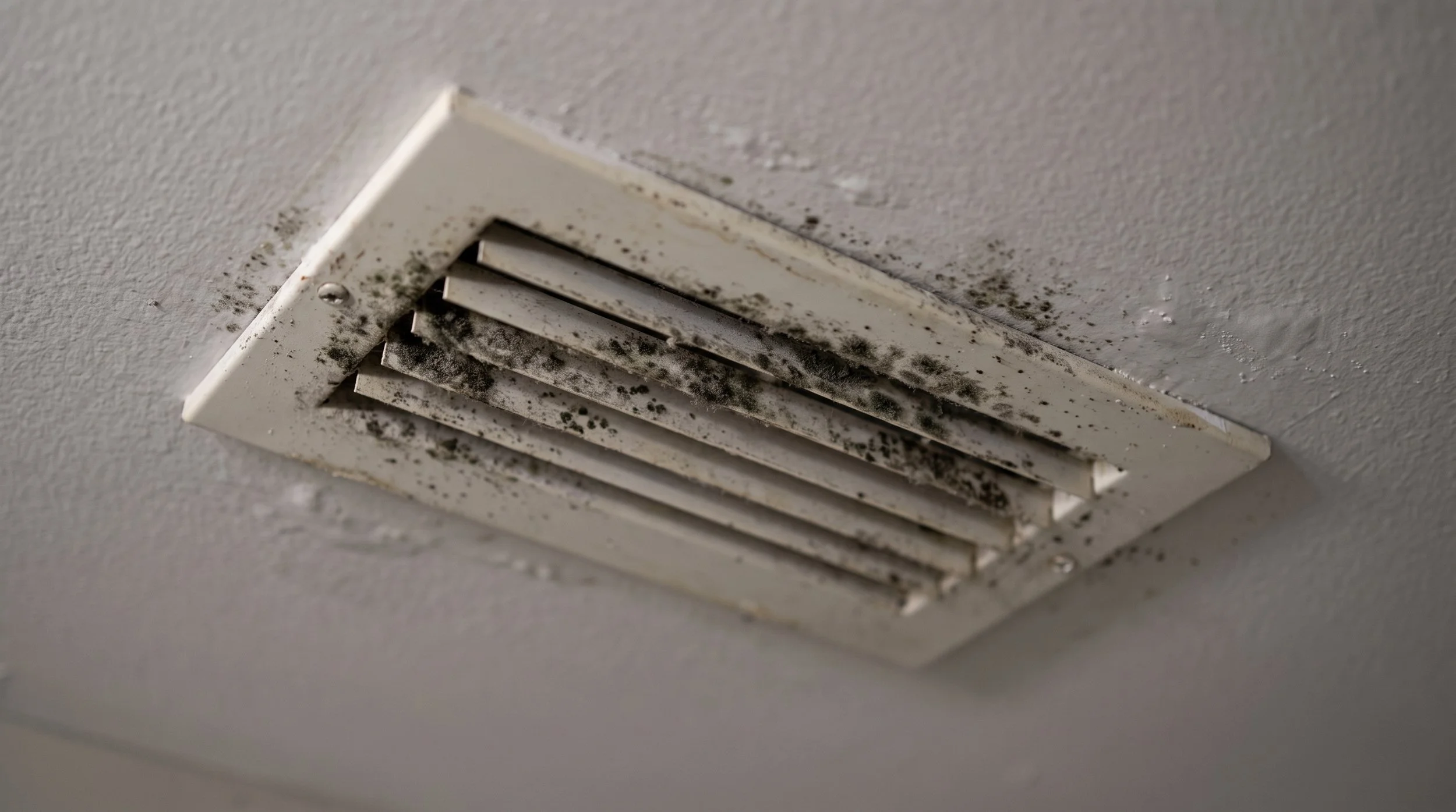
You do not need visible black spotting across your walls to have an active mold concern. Subtle indicators often point to underlying moisture:
Persistent Musty Odors: An earthy, damp smell that lingers even after thorough cleaning indicates spores circulating through the air or HVAC registers.
Unexplained Discoloration: Yellowing water stains, bubbling paint, or peeling wallpaper often mask fungal growth underneath.
HVAC Cycling Issues & High Indoor Humidity: According to the U.S. Environmental Protection Agency (EPA), indoor relative humidity should remain between 30% and 50% (and strictly below 60%) to prevent spore germination.
Unexplained Respiratory Symptoms: The Florida Department of Health notes that indoor mold exposure can trigger allergic reactions, sinus irritation, coughing, and headaches in sensitive individuals.
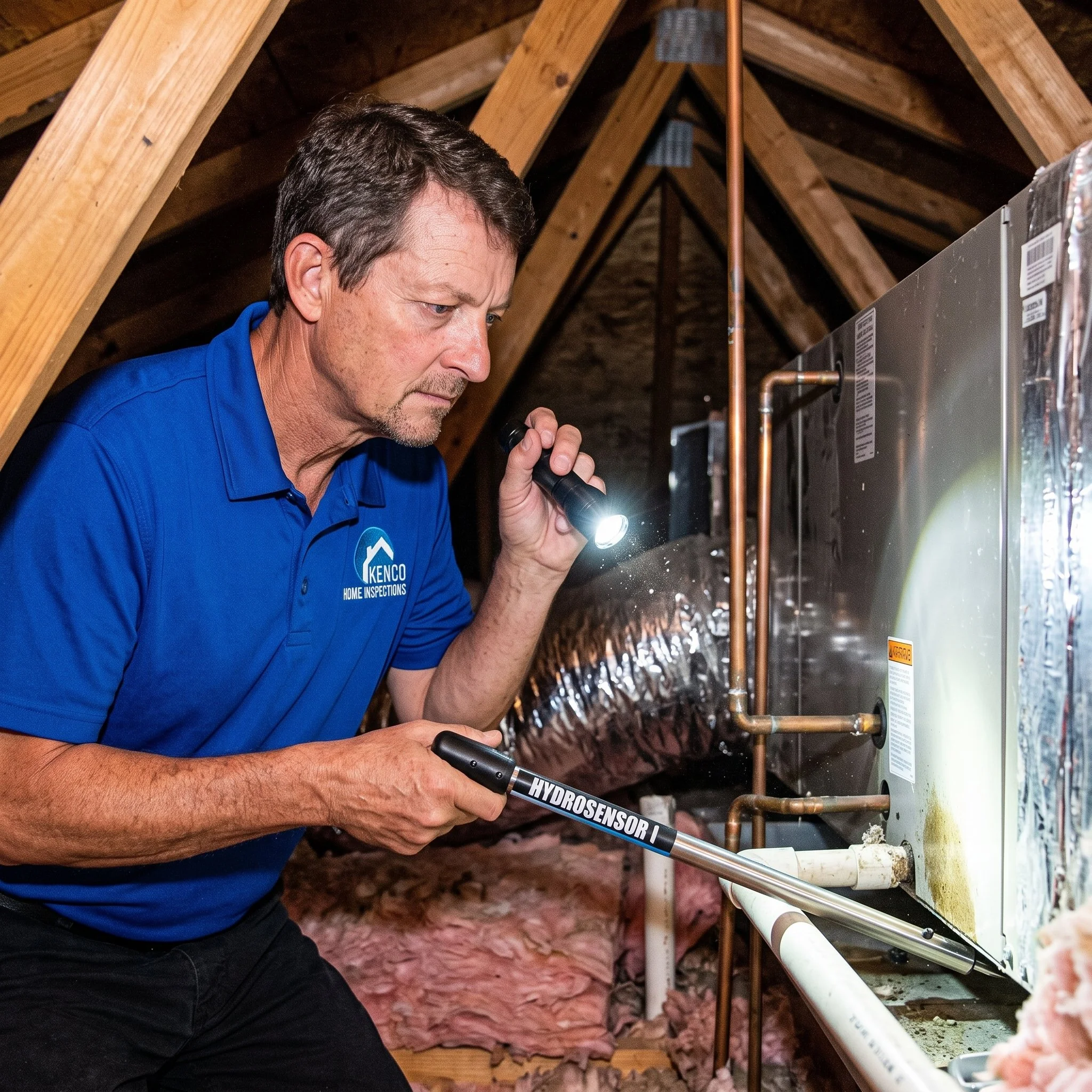
Why Professional Mold Testing Matters During Real Estate Transactions
A comprehensive visual check combined with laboratory-analyzed air and surface samples provides objective data about your indoor air quality.
For Homebuyers and Sellers
During a standard real estate transaction, a general home inspection evaluates the home's primary systems. However, adding targeted mold testing provides conclusive laboratory proof of air spore concentrations compared to baseline outdoor air.
Sellers: Scheduling a pre-listing inspection with mold sampling helps you address remediation before buyers request price reductions or walk away.
New Construction: Even brand-new builds benefit from an 11-month warranty inspection to catch HVAC condensation issues or roof drainage flaws before the builder's warranty expires.
Insurance Requirements: In Florida, insurers often require a 4-point inspection and a wind mitigation inspection to verify roof integrity and plumbing systems—both of which directly influence moisture risk.
Florida Homes Require Proactive Moisture Management
The combination of heavy seasonal rains, hurricane activity, and continuous air conditioning puts South Florida structures under constant moisture pressure. A single unsealed window frame or hairline roof leak can quietly compromise indoor air quality.
At Kenco Home Inspections, our certified inspectors understand the specific building practices, environmental pressures, and architectural styles across Southeast Florida. Discover how our comprehensive Kenco Benefits deliver unmatched clarity before you finalize your transaction.
Protect Your Home and Your Investment
Don't let hidden moisture undermine your property value or family's well-being. Whether you need a standalone mold assessment or a full suite of property diagnostics in Palm Beach County, Broward County, Martin County, St. Lucie County, or Indian River County, our team is here to help.
Review our step-by-step guide on how to prepare for an inspection and schedule your inspection with Kenco Home Inspections today.