Why Older Florida Homes Need More Than a Standard Inspection
There is an undeniable charm to buying an older home in Florida. From historic 1920s bungalows in coastal towns to the classic mid-century block homes that define many Florida neighborhoods, vintage properties offer character that new construction simply cannot match.
However, beneath the beautiful terrazzo floors and charming architecture, older Florida homes carry a unique set of risks. Decades of high humidity, intense tropical storms, and major changes to Florida's building codes mean that these homes require a much closer look than a brand-new build.
If you are buying a home built before 2002, a standard buyer's inspection is a great start—but it is rarely enough. To truly achieve peace of mind, you need to dig deeper. Here is exactly why older Florida homes require specialized inspections, and what you need to look out for.
1. The Cast Iron Pipe Ticking Time Bomb
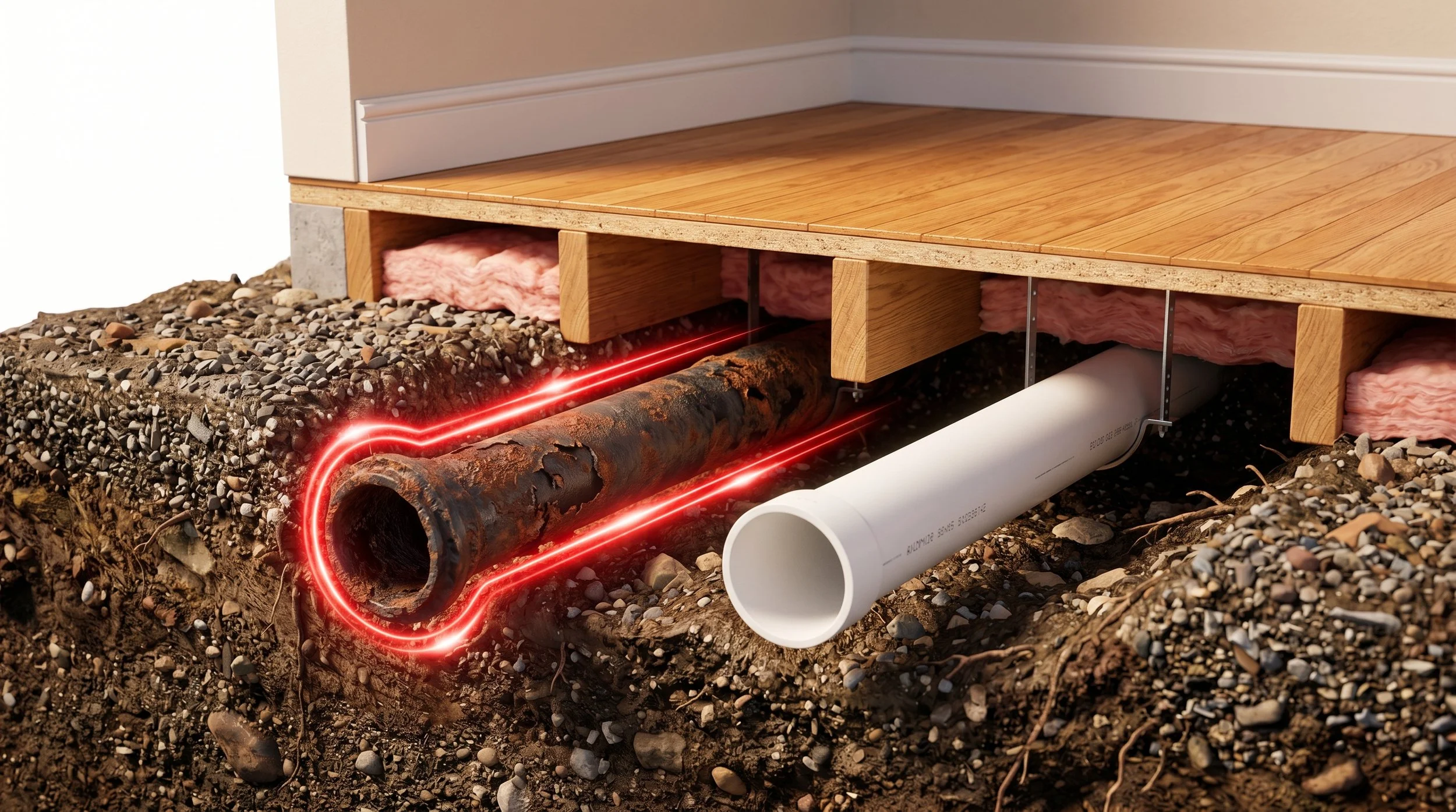
If the home you are looking at was built before 1975, there is a very high probability that the underground plumbing system utilizes cast iron pipes. While cast iron was the gold standard at the time, it was only designed to last about 30 to 50 years.
Today, those pipes are well past their life expectancy. In Florida's moist, salty soil, cast iron corrodes, flakes, and eventually collapses from the inside out. A standard home inspection involves running water and flushing toilets, but the inspector cannot see beneath the concrete slab to check the condition of the main sewer line.
The Solution: You absolutely need a Sewer Scope Camera Inspection. By running a specialized high-definition camera down the main drain line, an inspector can identify roots, channeling, or total pipe collapse before you buy. Replacing cast iron under a concrete slab can cost tens of thousands of dollars—don't buy blind.
2. Outdated Electrical Panels and Wiring
Electrical standards have evolved drastically over the last few decades, and older Florida homes often harbor electrical systems that are now considered major fire hazards.
Homes built in the 1960s and 1970s may have aluminum wiring, which expands and contracts differently than copper, leading to loose connections and overheating. Furthermore, many older homes still possess Federal Pacific Electric (FPE) or Zinsco electrical panels. These specific brands have a documented history of failing to trip during a power surge, causing electrical fires.
Beyond safety, there is a financial hurdle: most Florida insurance companies will flat-out refuse to insure a home with these outdated panels or wiring systems. A standard inspection will note the panel brand, but you need a targeted electrical review to secure insurance.
3. Pre-Hurricane Andrew Building Codes
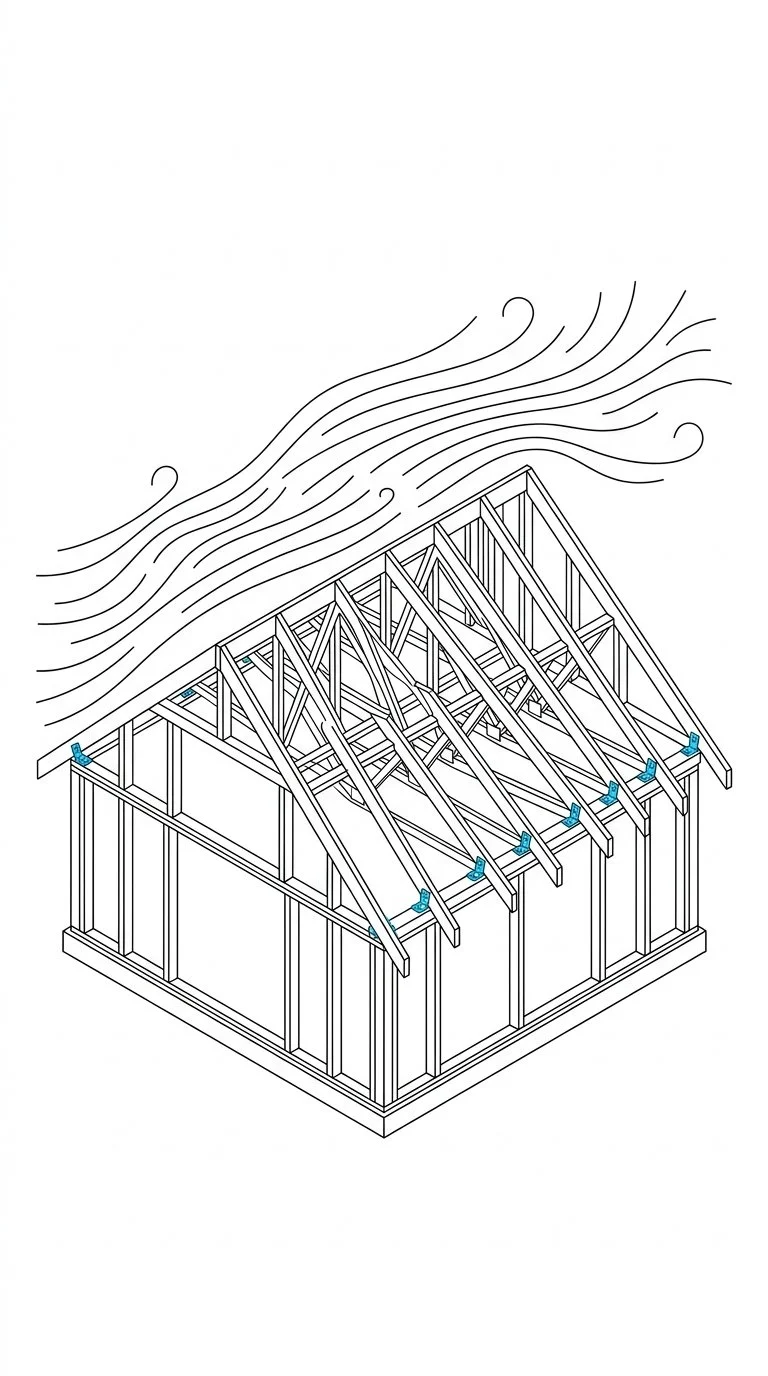
In 1992, Hurricane Andrew devastated South Florida, prompting the state to enact some of the strictest building codes in the world starting around 2002. Homes built before this era were not subjected to these rigorous hurricane-resistance standards.
Older roofs may lack the modern hurricane straps, clips, and secondary water barriers that keep the roof securely attached to the walls during a Category 4 or 5 storm. Even if the actual shingles are new, the underlying structural attachments might be woefully out of date.
The Solution: You need a specialized Wind Mitigation Inspection. Not only does this inspection verify how well your home can withstand a hurricane, but it is also the key to unlocking massive discounts on your Florida homeowners insurance premium.
4. Decades of Moisture and Wood-Destroying Organisms
Florida’s climate is essentially a petri dish. High heat, intense humidity, and daily summer thunderstorms take a serious toll on building materials over the decades.
Older homes—especially those with crawlspaces or wood-frame construction—are highly susceptible to subterranean termites, dry wood termites, and wood rot. A standard home inspection looks for visible signs of structural damage, but checking for active infestations requires a trained eye. Additionally, older ductwork in the HVAC system may be harboring years of dust, debris, or even mold due to poor insulation and condensation.
The 3 Essential Inspections for Older Florida Homes
To protect your investment and ensure you can actually get the home insured, make sure you request these three additions when booking your inspection:
The 4-Point Inspection: Required by nearly all Florida insurance carriers for homes over 30 years old. It focuses specifically on the current condition of the Roof, Electrical, Plumbing, and HVAC systems.
The Wind Mitigation Inspection: Crucial for older homes to document hurricane-resistant features. It proves to your insurance company that the home can withstand severe weather, heavily lowering your premiums.
Sewer Scope Inspection: The only way to definitively know if the underground cast iron plumbing is intact or on the verge of collapse.
Peace of Mind Starts Here
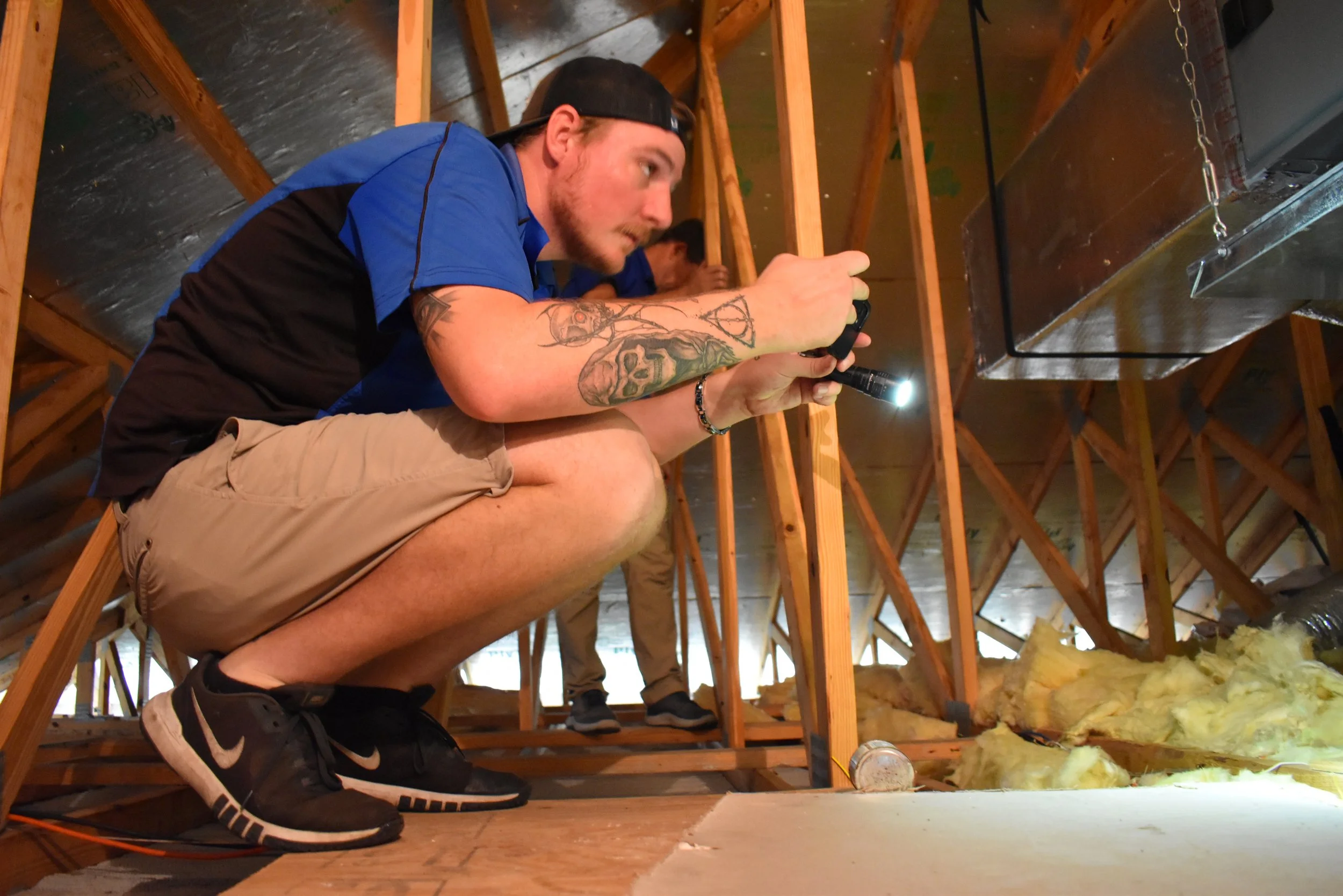
Buying an older home doesn't have to be a gamble. With the right inspector utilizing modern technology, you can uncover exactly what is going on behind the walls, beneath the floors, and up in the attic.
At KENCO Inspections, we believe you should never buy a home blind. We specialize in comprehensive evaluations of Florida's older properties, giving you the facts you need to negotiate effectively and buy with absolute confidence.
Ready to get the full picture of your future home? 👉 Schedule Your Inspection with KENCO Today