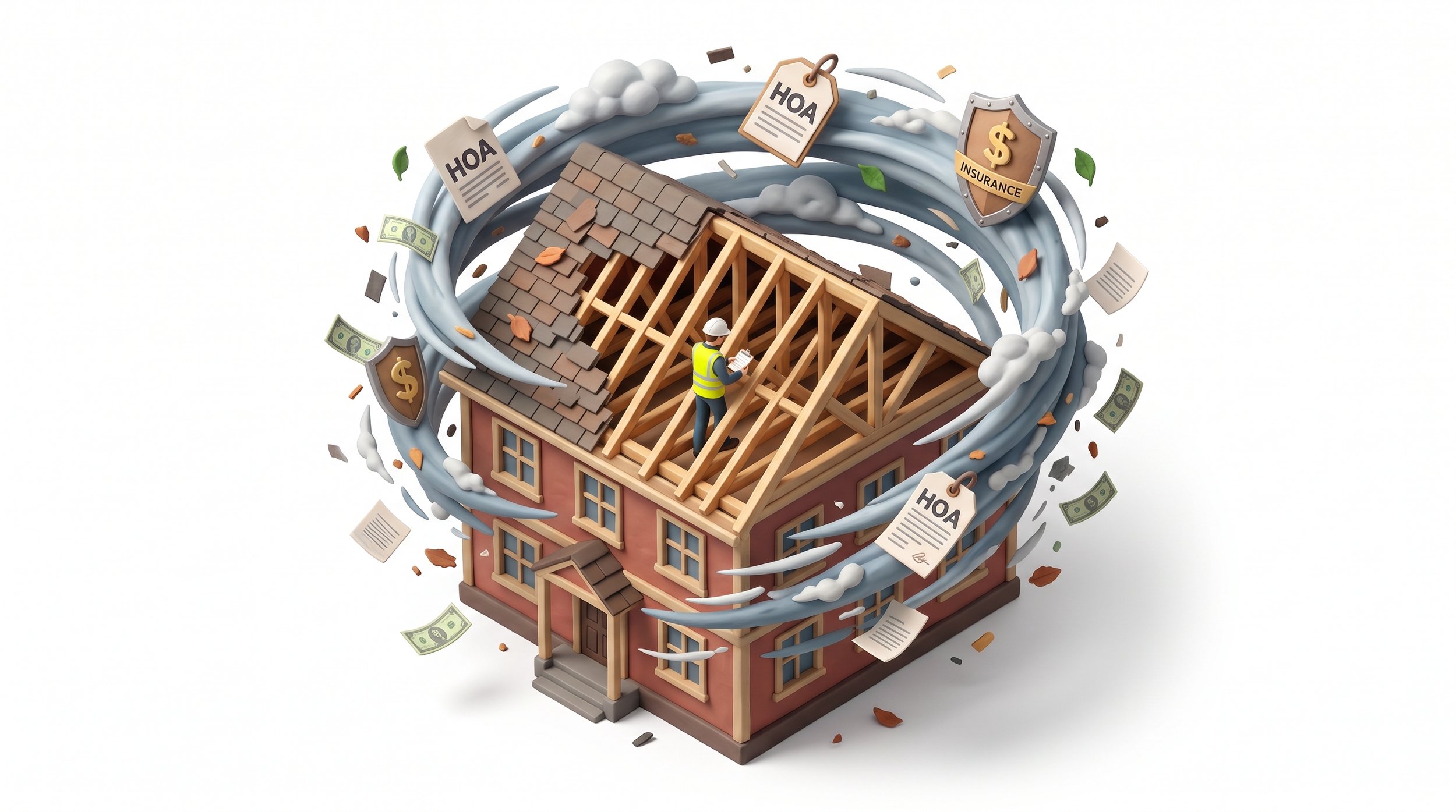
For many, buying a home in the Sunshine State is the ultimate dream. Whether you are eye-ing a coastal retreat, a bustling family suburb, or a condo in South Florida, the journey is incredibly exciting. But too often, eager buyers focus entirely on the listing price and the down payment, forgetting a critical financial truth: the purchase price is just the beginning.
Unanticipated fees, shifting insurance mandates, and hidden property defects can quickly turn a celebration into a financial crisis. From Jupiter to Broward, "transaction sticker shock" is very real.
This comprehensive guide breaks down the hidden costs in home buying, specifically focusing on the environmental, structural, and legal factors that impact Florida buyers—and reveals how a professional home inspection can save you thousands.
1. Upfront Expenses: The Closing Cost Surprises
When you make an offer on a home, your lender will provide a Loan Estimate that includes closing costs. However, many buyers do not realize just how much these administrative, legal, and pre-paid fees add up. In Florida, you should prepare to spend between 2% and 5% of the purchase price on closing costs alone.
Here are some of the most common upfront costs buyers overlook:
Lender Fees: Origination fees, underwriting fees, application fees, and points purchased to lower your interest rate.
Title Services and Insurance: Florida transactions require title searches to ensure the seller has the right to sell the property without lingering liens. Buying title insurance is highly recommended to protect your ownership rights, as highlighted by InterNACHI’s guide to home buyer safeguards.
Doc Stamps and Intangible Taxes: Florida levies documentary stamp taxes on deeds and mortgages, as well as an intangible tax on new mortgages. These government fees can catch buyers off-guard, adding thousands of dollars to your closing table requirements.
Pre-paid Items & Escrow Accounts: You will need to pre-pay your first year of homeowners insurance and sometimes several months of property taxes into an escrow account.
2. Moving In: Shifting Shocks and Insurance Reality
Florida’s insurance landscape is unlike any other in the country. High humidity, tropical storm threats, and hurricanes make securing—and keeping—affordable property insurance a complex challenge.
The Surge in Insurance Premiums
Many out-of-state buyers calculate their potential mortgage using outdated online calculators, only to be shocked by real-world Florida insurance quotes. Insurance premiums have skyrocketed, particularly for properties with aging roofs or older electrical systems.
This is why insurers frequently mandate a 4-point inspection (evaluating HVAC, Electrical, Plumbing, and Roofing) on homes older than 15–20 years before issuing a policy. Missing or aging systems can completely disqualify a home from coverage. On the flip side, you can actively reduce these soaring premiums by documenting hurricane-resistant features through a certified wind mitigation inspection—which is strongly supported by the Florida Division of Emergency Management as a primary loss-reduction strategy.
HOA and COA Hidden Traps
If you are buying in a community governed by a Homeowners Association (HOA) or Condo Association (COA), those monthly or quarterly dues can change rapidly.
Special Assessments: When a condo or gated community needs a major repair—like a new roof, parking lot resurfacing, or structural milestone work—and does not have enough in its reserves, the association can levy a "special assessment." This can mean a sudden, mandatory bill for thousands of dollars.
Transfer and Application Fees: Joining a new association often requires application fees, background check fees, and capital contribution fees.
3. Behind the Walls: Hidden Structural and Mechanical Defects
The most devastating hidden costs in home buying are not written on a lender's closing statement—they are hidden behind the drywall, underground, or up in the attic. Without a professional, independent set of eyes, you could inherit a "money pit" requiring tens of thousands of dollars in emergency repairs immediately after moving in.
At Kenco Home Inspections, we have performed over 100,000 inspections in South Florida, and these are the most common invisible structural and mechanical issues we uncover:
Sewer Line Failures & Tree Root Intrusion
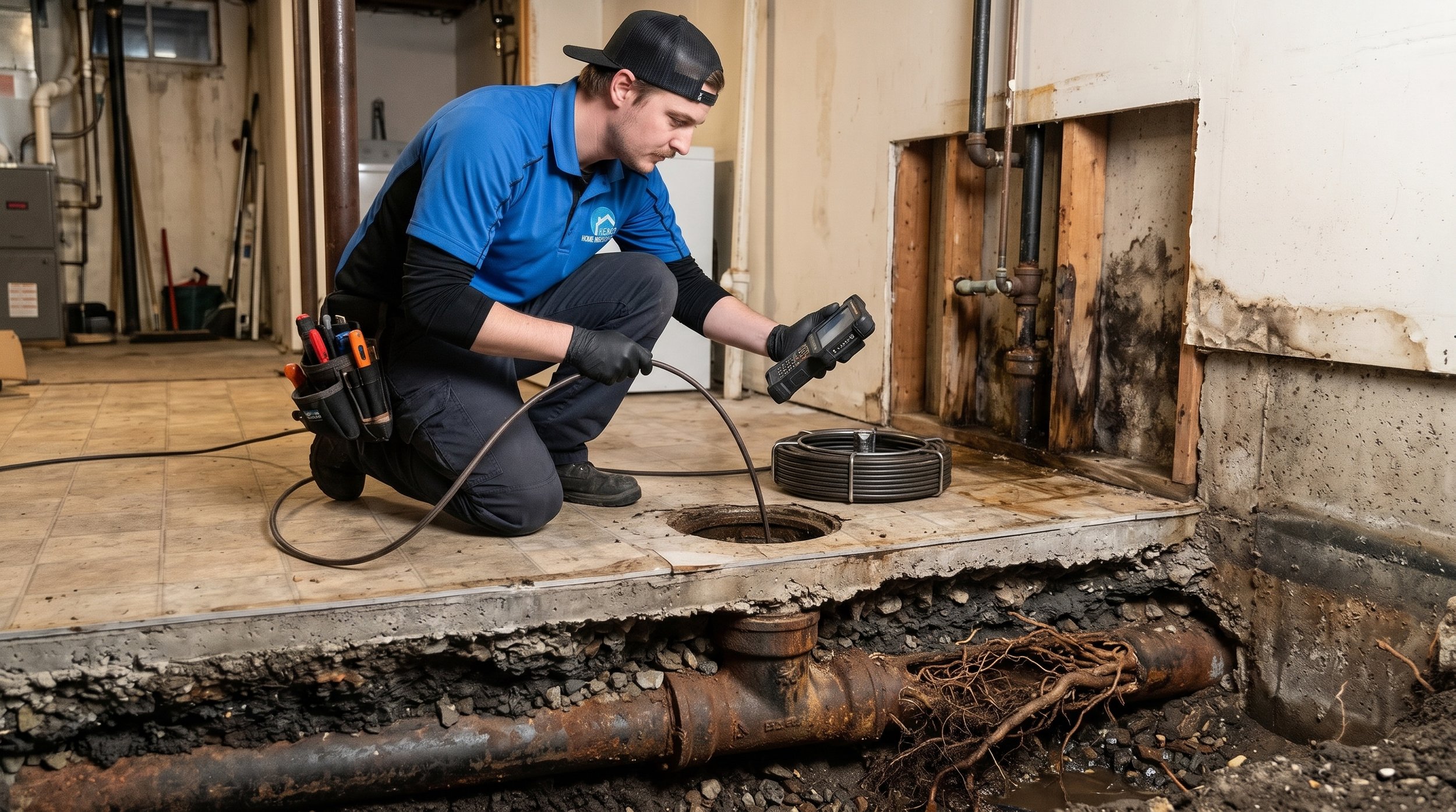
Sewer and drain lines run underground, making them entirely invisible during a standard walk-through. However, older cast-iron pipes are highly susceptible to corrosion, and invasive tropical tree roots can crush or clog these systems. A collapsed sewer line can cost upward of $10,000 to dig up and replace. We highly recommend adding a specialized sewer scope inspection before you finalize your purchase to guarantee those unseen drain lines are clear and functional.
Unseen Moisture, Mold, & Environmental Hazards
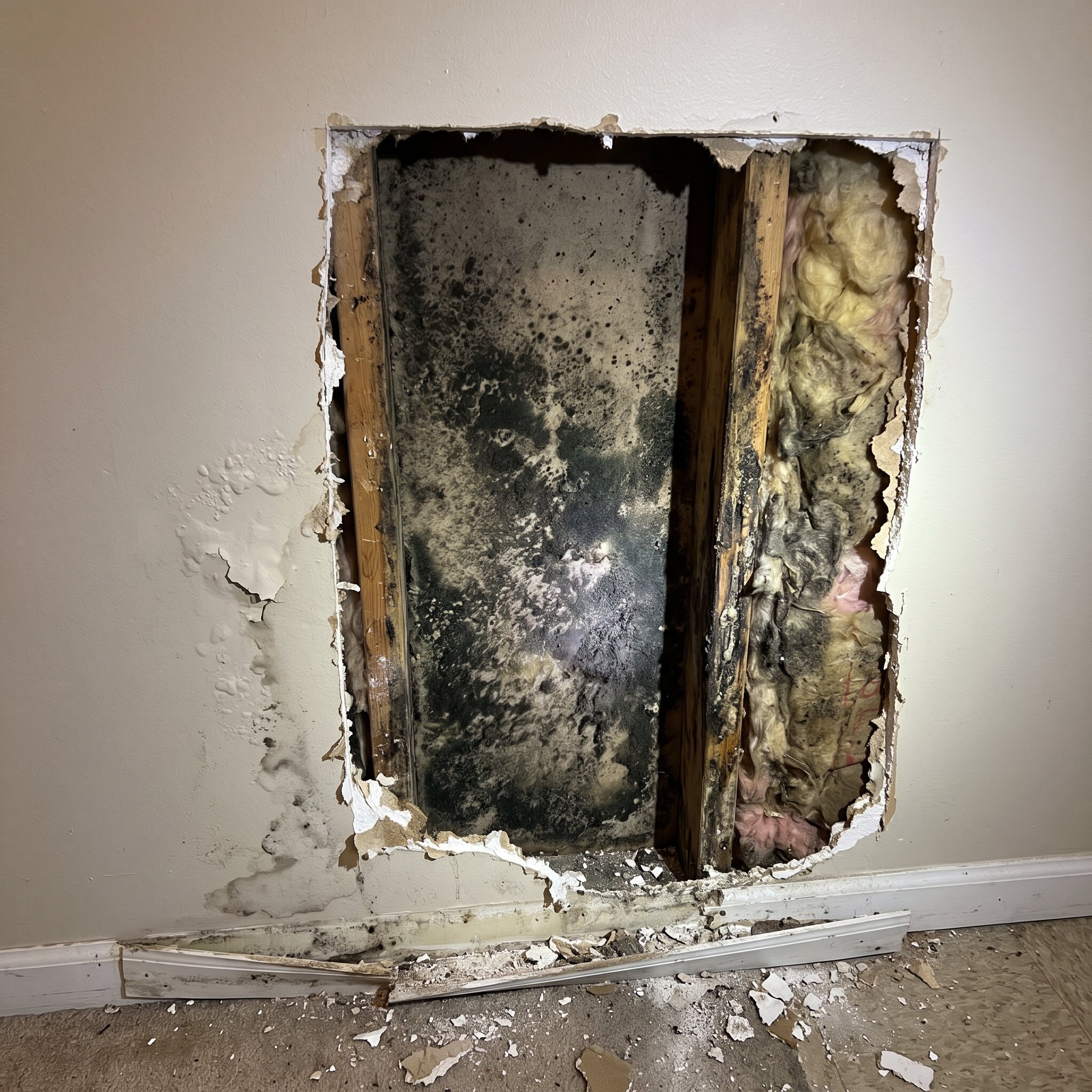
Florida's subtropical climate is the perfect breeding ground for mold, which can thrive inside wall cavities, attics, and HVAC systems without showing any visible signs on your drywall. Remediat-ing a severe mold issue can run into the thousands and pose significant health risks. A dedicated mold inspection & testing service uses thermal imaging and air sampling to detect hidden moisture and fungal spores before they become your costly nightmare. Additionally, depending on the area, invisible gases like radon can seep into homes, making radon testing an essential step to ensure indoor air safety.
Building Milestones and Warranties
If you are purchasing a brand-new build, do not assume everything is flawless. Minor construction defects—such as missing insulation, framing errors, or incomplete hurricane tie-downs—can go completely noticed until it's too late. To secure yourself, use 11-month warranty inspections to make sure any structural or mechanical issues are caught and documented while the builder is still legally and financially obligated to fix them.
To understand exactly how to secure your investment and negotiate necessary repairs, review our complete guide on how to prepare for an inspection.
4. Frequently Asked Questions (FAQ)
What is the average cost of a home inspection in Florida?
While prices vary based on the size, age, and location of the property, a professional home inspection typically ranges from $300 to $650. Specialized add-ons—like mold testing, sewer scopes, or wind mitigations—will adjust the final price, but they frequently save buyers thousands of dollars in unforeseen repair costs.
What are documentary stamp taxes in Florida?
Florida documentary stamp (or "doc stamp") taxes are excise taxes levied on the transfer of real property and the execution of a mortgage. The tax on the deed is typically $0.70 per $100 of the transaction value (with some variation in Miami-Dade County), which can translate into several thousand dollars at the closing table.
Are older Florida homes (CBS) immune to structural defects?
No. While concrete block (CBS) construction is excellent for wind and hurricane resistance, these homes remain vulnerable to settlement issues, foundation cracking, and unseen timber decay in roof trusses. CBS homes also frequently feature interior wood-framed walls and furring strips that are highly susceptible to termites and hidden moisture intrusion.
Conclusion: Protect Your Wallet Before You Close
In the Florida real estate market, knowledge is financial power. Understanding the full picture of hidden expenses—from closing taxes and HOA quirks to structural system failures—will prevent you from going "house poor" on day one.
Don't let hidden home horrors catch you off-guard. Partner with Florida’s most experienced inspection team to reveal exactly what is happening behind the beautiful finishes. Contact us to schedule your inspection today, whether you are buying in Palm Beach County, Broward County, Martin County, St. Lucie County, or Indian River County. Let Kenco give you the peace of mind to buy with absolute confidence.
Ready to secure your future home? Check out all of our diagnostic options on our services overview page or learn more about the exclusive Kenco benefits we bring to every home assessment.