Radon Testing in South Florida: Why It Matters Even Without Basements
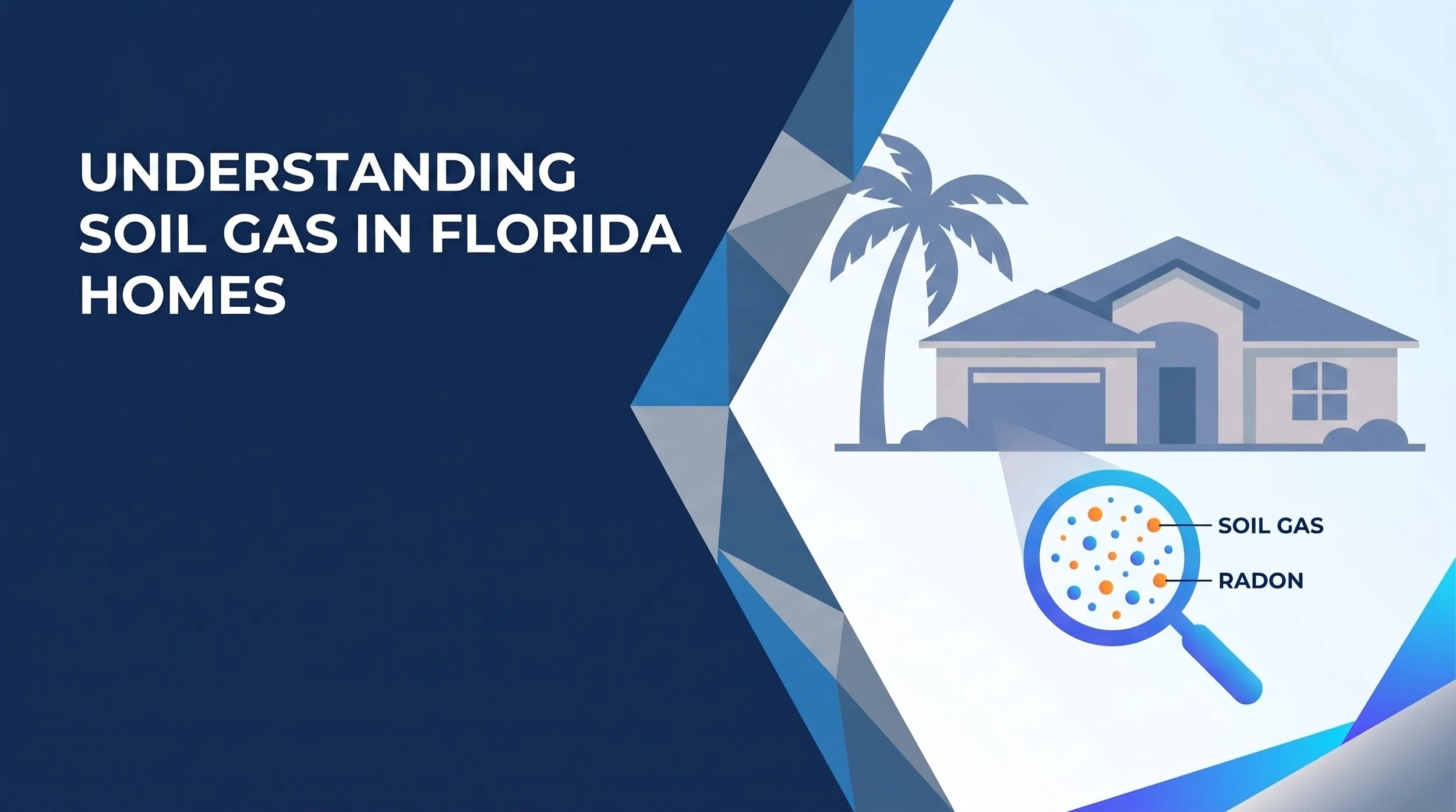
If you have purchased, sold, or inspected real estate in the Midwest or Northeast, you are almost certainly familiar with radon testing. In those parts of the country, testing for radon in subterranean basements and cellar foundations is standard procedure. However, throughout Southeast Florida—across Palm Beach, Martin, St. Lucie, Broward, and Indian River counties—radon testing is all too often dismissed as an unnecessary precaution.
The prevailing myth is simple: "Florida homes do not have basements, so Florida homes do not have radon."
Unfortunately, building science and environmental public health data prove otherwise. According to the Florida Department of Health Radon Program, approximately 1 in 5 Florida residences exhibits elevated indoor radon concentrations exceeding federal guidelines. In certain regions across the state, that ratio rises to 1 in 2 homes. Because radon is an invisible, odorless, and radioactive byproduct of natural geological decay, assuming your slab-on-grade home is immune can leave a dangerous, cancer-causing gas completely undetected in your indoor living environment.
What Exactly Is Radon and How Does It Form?
Radon-222 is a naturally occurring radioactive gas formed by the radioactive decay of radium, which itself originates from the elemental breakdown of uranium in subterranean rock, granite, phosphate-bearing soil, and groundwater. Unlike outdoor air, where radioactive gases disperse harmlessly at negligible levels (averaging approximately 0.4 picocuries per liter, or pCi/L), enclosed residential structures can trap radon gas, allowing it to accumulate to hazardous concentrations.
As radon gas decays inside a home, it emits microscopic radioactive alpha particles. When inhaled, these alpha particles strike sensitive lung tissue, causing localized cellular damage and genetic mutations that lead to malignant tumors. The EPA's Citizen's Guide to Radon confirms that radon exposure is the second leading cause of lung cancer in the United States overall, and the single number-one leading cause of lung cancer among non-smokers, claiming more than 21,000 lives nationwide each year.
The Physics of Radon Intrusion: How Slab-on-Grade Foundations Pull Gas Indoors
A common misconception among homeowners is that a monolithic poured concrete slab forms an impenetrable barrier against subterranean soil gases. In actual construction, concrete is an inherently porous material riddled with microscopic capillary networks, hairline shrinkage cracks, and structural expansion joints.
Your home does not simply sit passively on the soil; it acts as a dynamic low-pressure vacuum system. This vacuum effect, known in building science as air depressurization, draws subterranean gases upward from the surrounding soil into your living areas through several primary pathways:
Plumbing and Utility Slab Penetrations: Gaps around bathroom shower drains, sewer lines, water supply pipes, and electrical conduits that puncture the sub-slab vapor barrier.
Foundation Settlement and Shrinkage Cracks: Natural settling of Florida's sandy and porous soils causes hairline fissuring in concrete slabs, creating direct highways for soil gas entry.
Cold Joints and Expansion Seams: The junctions between slab floors and exterior concrete block (CBS) stem walls offer continuous perimeters for gas migration.
The HVAC Depressurization Effect: In South Florida, air conditioning systems operate nearly year-round. When powerful return ducts pull air through the home, or when exhaust fans in bathrooms and kitchens discharge air outdoors, they create negative pressure inside the structure relative to the ground underneath. This pressure differential literally suctions radon gas through the slab and into conditioned air streams.
Modern Energy Efficiency Tightness: Modern building codes mandate tightly sealed building envelopes with impact glass and spray-foam insulation. While outstanding for energy conservation, these sealed envelopes severely reduce natural air exchange, preventing radon from diluting and trapping high concentrations indoors.
Florida Geology & The EPA Action Thresholds
The Environmental Protection Agency has established standardized guidelines to evaluate the radiological risk of indoor air:
Measurement Level
EPA Designation
Recommended Action
4.0 pCi/L or Higher
Action Level (High Risk)
Mandatory remediation recommended. Active mitigation systems should be installed to vent gas safely above the roofline.
2.0 to 3.9 pCi/L
Elevated (Moderate Risk)
Remediation should be considered. The EPA notes that long-term exposure below 4.0 pCi/L still presents documented cancer risks.
Below 2.0 pCi/L
Acceptable Baseline
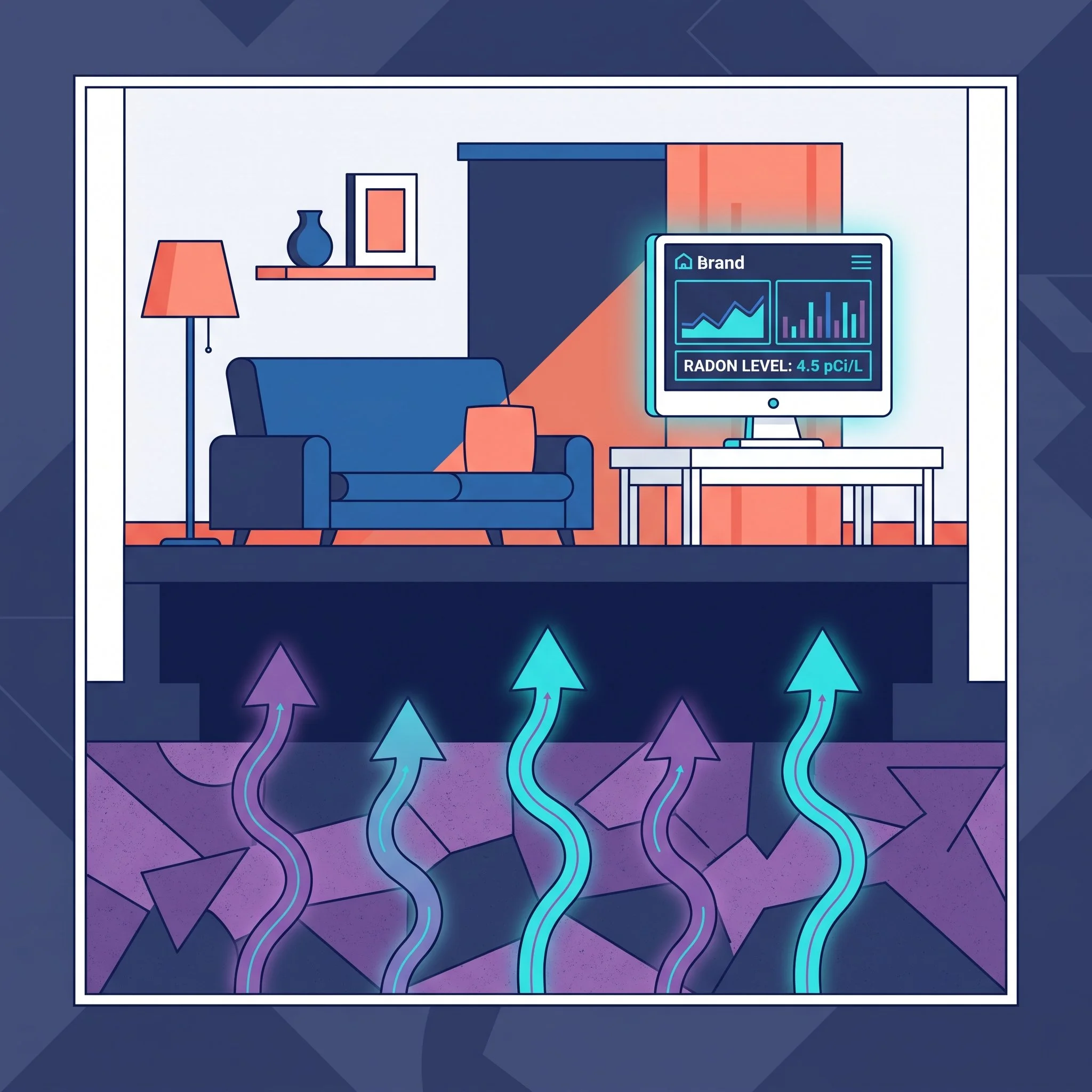
Maintain regular testing every 2 to 5 years, or after major structural renovations and HVAC replacements.
While the EPA designates broad geographic radon zones, both the EPA and the Florida Department of Health caution that radon potential cannot be predicted by neighborhood or ZIP code. Two identical custom homes built side-by-side on the same street in Palm Beach County or Martin County can exhibit drastically different radon readings due to localized subsurface soil composition, structural fissures, and HVAC circulation dynamics.
When Should You Test for Radon in Florida?
Because radon is completely undetectable to human senses, testing is the only definitive method to verify indoor safety. Professional radon testing is strongly recommended during the following real estate and homeownership milestones:
Purchasing a Home (Pre-Purchase Contingency): Incorporating specialized environmental testing alongside your pre-purchase residential home inspection gives you critical leverage during purchase negotiations, allowing you to request builder/seller mitigation credits prior to closing.
Listing a Home for Sale: Proactive sellers can eliminate unexpected inspection delays and renegotiation friction by obtaining clean diagnostic documentation in advance.
Newly Constructed Properties: New homes built to current energy conservation standards are tightly sealed envelopes that readily trap radioactive soil gas. Testing before occupancy establishes an essential baseline.
Homes Never Previously Tested: If you have lived in your home for years without an environmental evaluation, a 48-hour continuous test provides invaluable peace of mind for your family's respiratory health.
Bundled with Insurance Inspections: Homeowners scheduling mandatory four-point inspections or wind mitigation inspections can easily pair specialized environmental diagnostics in a single appointment.
How Kenco's Professional 48-Hour Radon Testing Works
At Kenco Home Inspections, radon evaluations are conducted under strict EPA protocols led by certified specialists, including Florida State Licensed Radon Technician Ken Dolin (License #R2644). We do not rely on slow, inaccurate charcoal canisters that must be shipped across the country for delayed analysis.
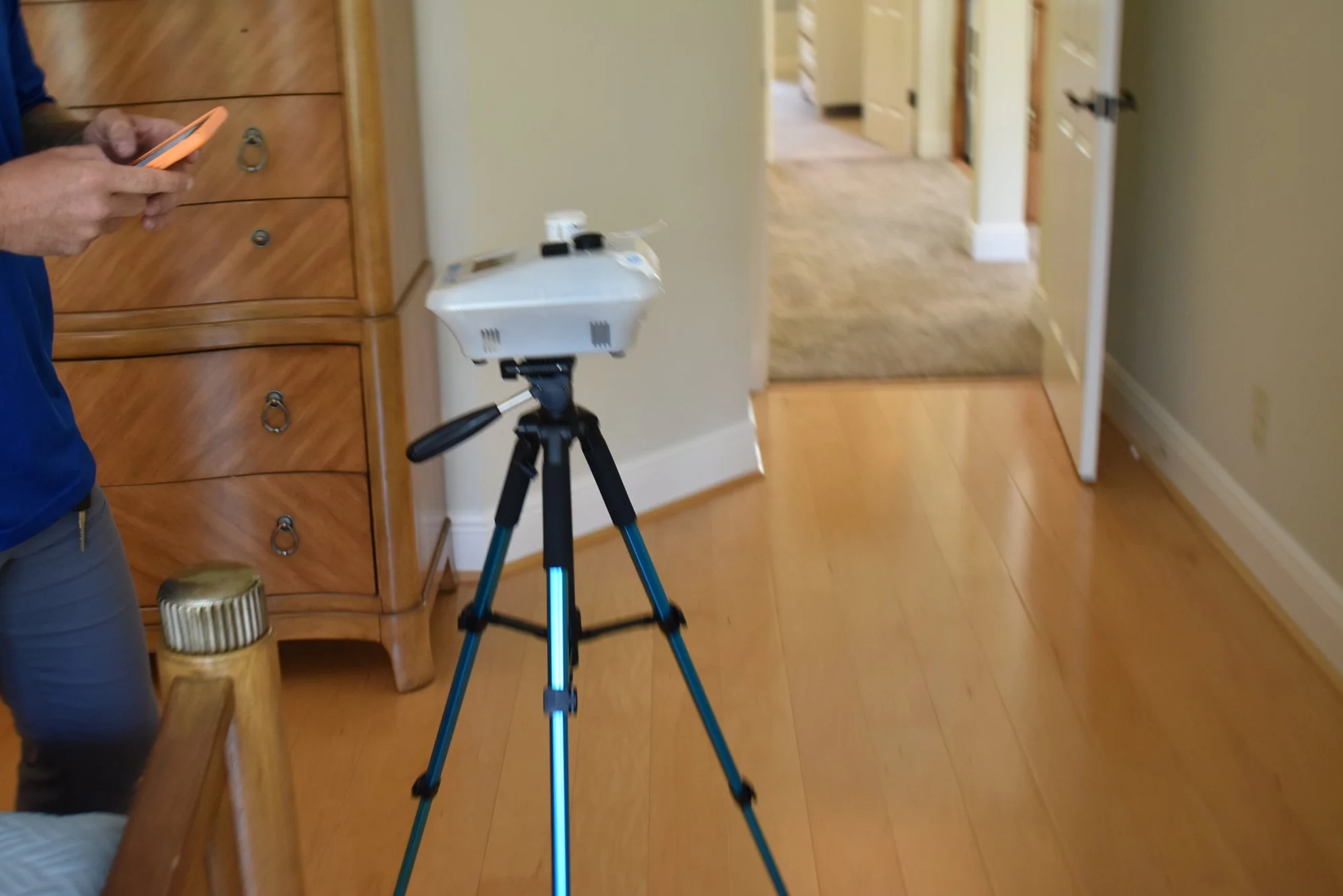
Instead, our technicians deploy calibrated Continuous Radon Monitors (CRM) directly into the lowest lived-in area of the property:
Precision Hourly Logging: Our digital monitors take automated hourly readings for a minimum of 48 consecutive hours, measuring real-time fluctuations in radon concentration, temperature, relative humidity, and barometric pressure.
Anti-Tampering Sensors: Built-in motion and power-interruption sensors ensure test validity, providing ironclad diagnostic reports that underwriters, lenders, and real estate professionals can rely upon.
Closed-House Protocol: To simulate realistic worst-case exposure, testing is conducted under closed-building conditions (exterior doors and windows kept closed, while HVAC systems operate normally). Review our step-by-step guidance on how to prepare for an inspection to ensure smooth testing.
Rapid Digital Reporting: Once the 48-hour continuous monitoring period concludes, our software generates a comprehensive, easy-to-read digital report detailing average radon levels, hourly trend lines, and clear actionable recommendations.
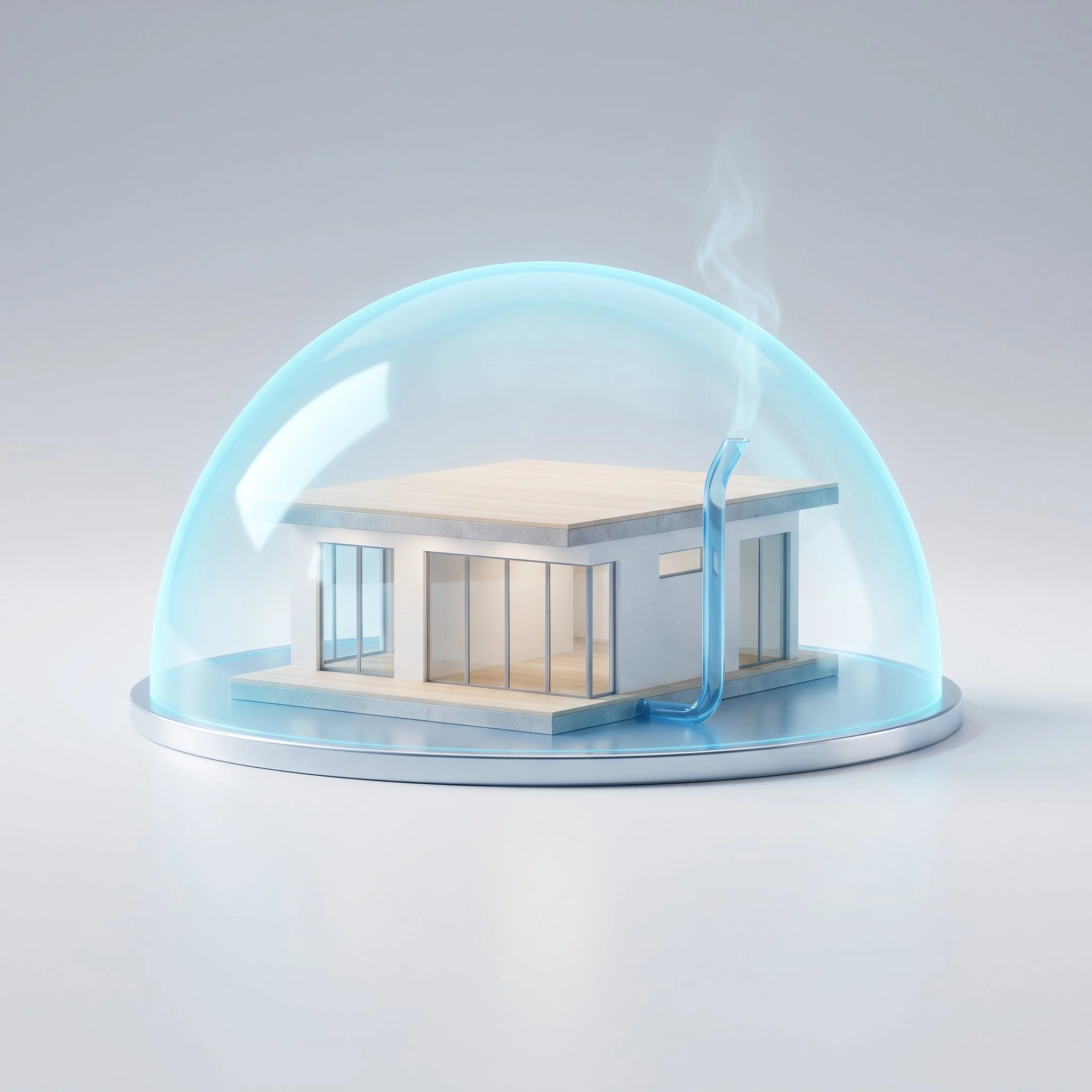
If testing reveals levels exceeding 4.0 pCi/L, effective remediation is straightforward. Per the EPA Consumer's Guide to Radon Reduction, certified mitigation contractors install active sub-slab depressurization systems that route soil gas through dedicated PVC exhaust piping safely past the roofline, reducing indoor radon levels by up to 99%.
Frequently Asked Questions About Radon in Florida
Q1: Why do Florida homes need radon testing if there are no basements?
Radon is a gas emitted from soil and rock. Poured concrete slab-on-grade foundations are porous and develop hairline cracks, cold joints, and utility openings. Florida air conditioning systems create negative indoor air pressure that pulls radon gas straight through the slab and traps it inside energy-efficient homes.
Q2: What is considered a dangerous radon level in Florida?
The EPA defines 4.0 picocuries per liter (pCi/L) as the federal action level requiring professional mitigation. However, the EPA and Surgeon General also advise homeowners to consider mitigation for levels between 2.0 and 4.0 pCi/L, as long-term exposure to any elevated level increases the risk of lung cancer.
Q3: How long does a professional radon test take?
A standard professional short-term radon test requires a minimum of 48 continuous hours. The testing device remains undisturbed in the lowest habitable area of the home under closed-house conditions, recording hourly fluctuations to determine an accurate average.
Q4: Can radon testing be bundled with my full home inspection?
Yes. Kenco Home Inspections seamlessly bundles professional radon testing with general buyer inspections, mold and air quality testing, and insurance certifications, saving you time and delivering unified reports.
Protect Your Health and Investment: Schedule Your Radon Inspection Today
Do not leave your indoor air quality and family safety to chance. With over 24 years of inspection leadership and more than 100,000 property evaluations completed across Palm Beach, Martin, St. Lucie, and Broward counties, Kenco Home Inspections delivers the certified expertise and high-precision technology you need to protect your investment.
Contact our client care team today to book your certified radon evaluation: