Fire Prevention Month: The Ultimate Home Safety Checklist for Southeast Florida Homeowners
October marks National Fire Prevention Month, serving as a critical reminder to safeguard your home against unexpected fire hazards. While residential fires can happen anywhere, living in Southeast Florida presents distinct environmental and structural dynamics—from persistent coastal humidity and severe electrical storms to year-round HVAC runtime and concrete block (CBS) building assemblies.
Whether you are settling into a new home in Palm Beach County, preparing to list a property in Martin County, or maintaining your longtime residence in Broward County, dedicating just 15 minutes this October can protect your household, your family, and your investment.
At Kenco Home Inspections, we have completed over 100,000 property inspections across South Florida since 2003. We know that routine preventative maintenance and professional property diagnostics are your strongest shields against catastrophic damage.
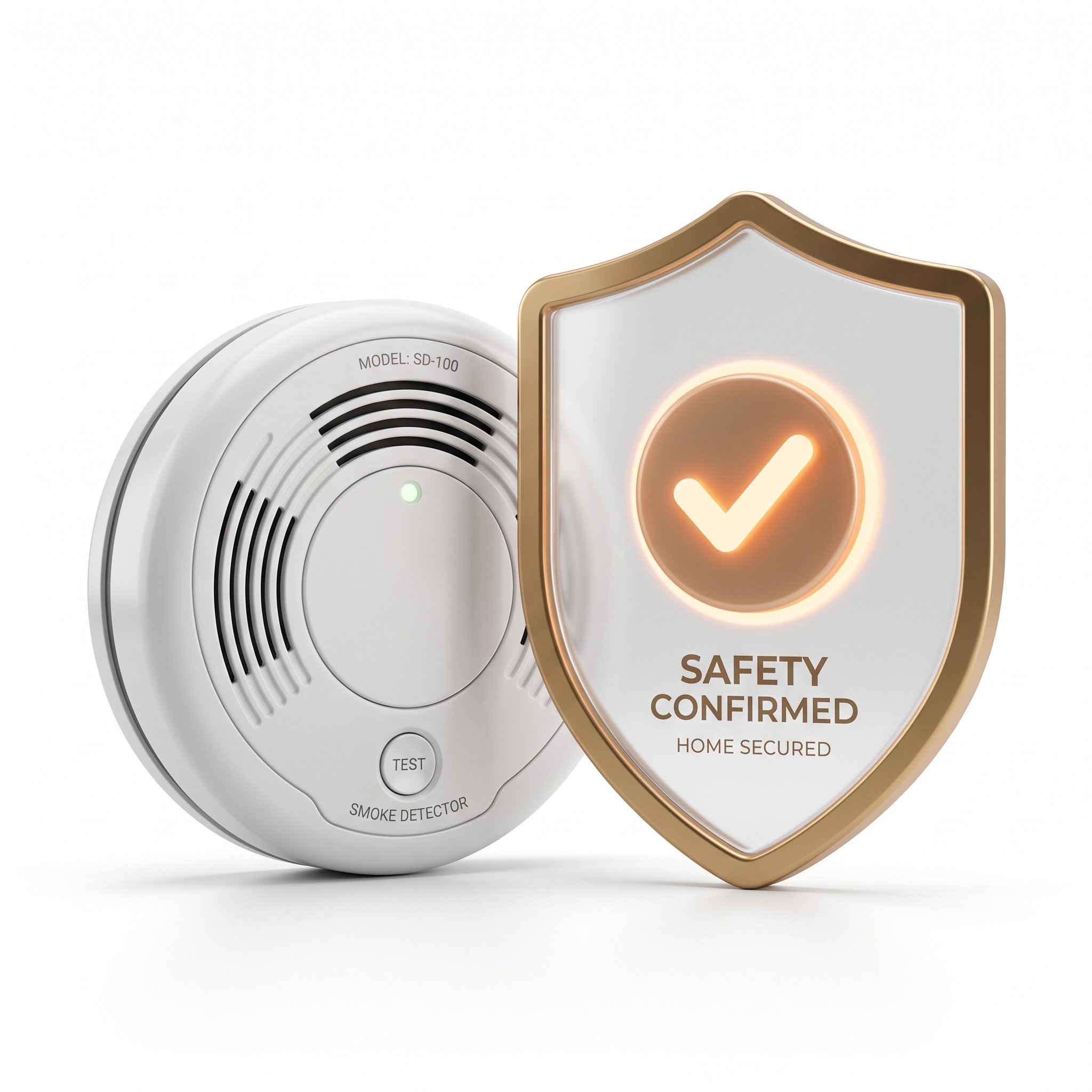
1. Smoke & Carbon Monoxide Alarms: Your First Line of Defense
Operational smoke alarms reduce the risk of dying in a residential fire by more than 50%, according to the National Fire Protection Association (NFPA). In Florida, state building codes mandate working smoke alarms in every sleeping room, immediately outside each sleeping area, and on every habitable level of the structure.
Essential Smoke Alarm Inspection Steps:
Test Monthly: Depress the test button on every smoke and CO detector until the siren sounds.
Replace Batteries Promptly: For units with 9V or AA alkaline backups, swap batteries twice annually. For hardwired units with sealed 10-year lithium cells, verify that the battery backup indicator remains functional.
Observe the 10-Year Replacement Rule: Smoke alarms lose sensor sensitivity over time. Check the manufacturing date stamped on the back of each device; if an alarm is 10 years old or older, replace the entire unit immediately.
Interconnected Systems: In modern construction, verify that triggering one alarm activates all other interconnected alarms throughout the house.
Placement Audits: Ensure detectors are installed at least 10 feet away from cooking appliances to prevent nuisance alarms, and avoid dead air pockets near ceiling-to-wall intersections.
2. HVAC Systems & Air Handlers: Mitigating Hidden Heating Risks
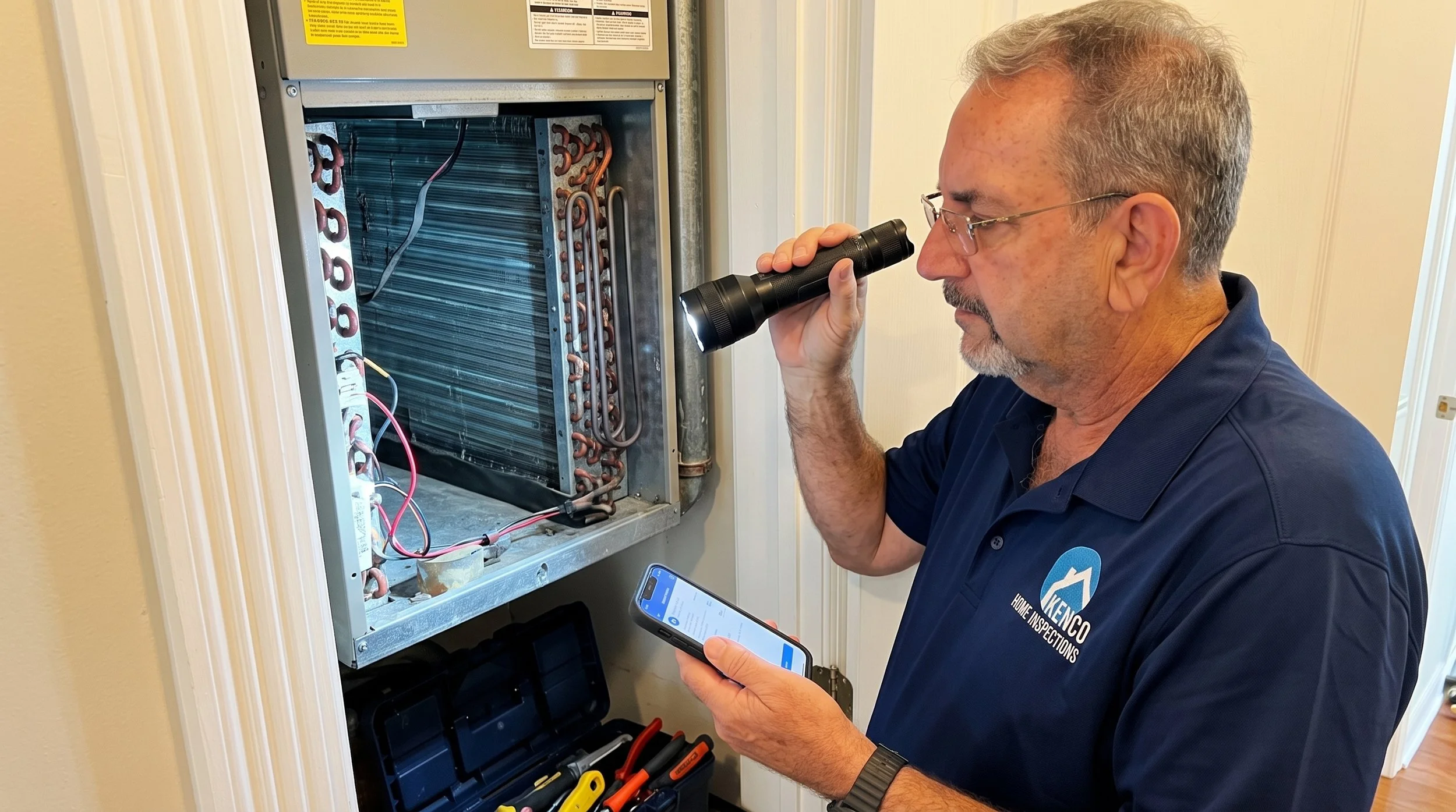
Although Southeast Florida winters are mild, October is the ideal transition period to service your HVAC system before cooler evenings prompt you to switch to emergency heat strips. When heating elements sit unused across months of high subtropical humidity, dust and debris accumulate directly on the heating coils, creating significant fire and smoke risks upon initial activation.
Clean and Replace Air Filters: Dirty filters restrict airflow, causing blower motors to overheat.
Service Electric Heat Strips: Have a licensed technician evaluate heating elements, wiring harnesses, and sequencers.
Clear Condensate Drain Lines: Standing water can overflow into electrical components, leading to short circuits.
Inspect Ductwork: Ensure return plenums are sealed and free of combustible storage materials.
For older units or homes experiencing heating and cooling issues, a specialized 4-point inspection provides a rigorous diagnostic review of your HVAC's age, wiring integrity, and operating condition.
3. Electrical Panels & Surge Protection: Managing Florida Lightning & Load Demands
Electrical failures rank among the leading causes of residential fires in Florida. High household electrical consumption, combined with frequent lightning activity, places immense strain on breaker panels, branch wiring, and outlets.
Warning Signs of Electrical Fire Hazards:
Outdated or Recalled Panels: Homes equipped with legacy panels (such as Federal Pacific Electric Stab-Lok or Zinsco) carry elevated failure rates where breakers fail to trip under overload conditions.
Warm Wall Plates or Discoloration: Outlets or switch plates that feel warm or show scorch marks indicate arcing or loose terminal screws.
Tripping Breakers: Repeatedly tripping circuit breakers signify an overloaded circuit requiring immediate load balancing.
GFCI & AFCI Protection: Verify that Arc-Fault Circuit Interrupters (AFCIs) and Ground-Fault Circuit Interrupters (GFCIs) function properly to prevent electrical fires and electrocution hazards in kitchens, bathrooms, garages, and outdoor receptacles.
If you suspect underlying wiring issues or are purchasing an existing home, scheduling a comprehensive residential home inspection will identify hidden safety risks behind your finished walls.
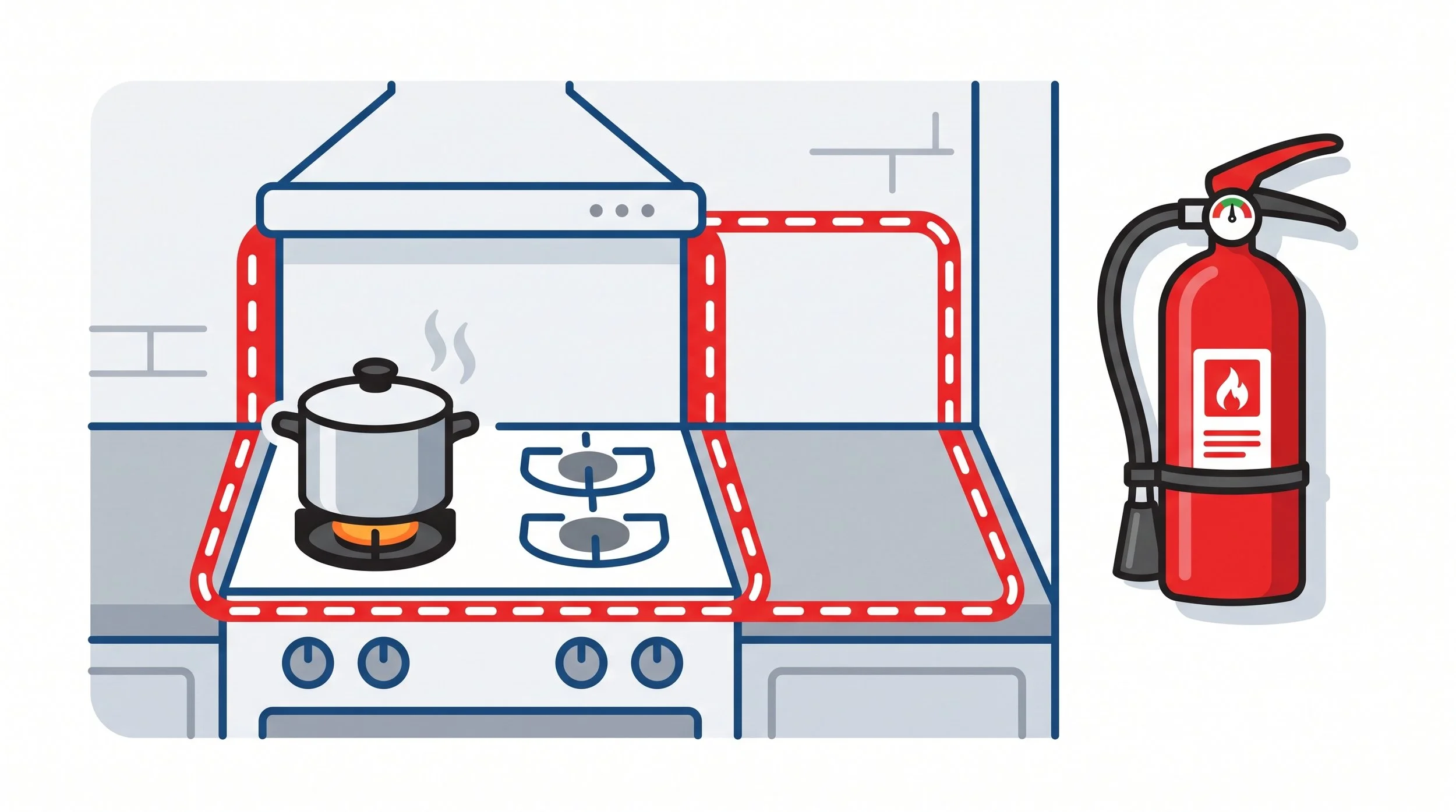
4. Kitchen & Cooking Fire Prevention
Cooking remains the number one cause of home structure fires and home fire injuries. In an open-concept Florida layout, kitchen fires can spread quickly to living spaces.
Never Leave Cooking Unattended: Always stay near the range when frying, boiling, or grilling.
Maintain a 3-Foot Clearance: Keep flammable items—including paper towels, pot holders, wooden utensils, and window curtains—at least three feet away from stovetops.
Clean Range Hoods & Grease Filters: Degrease exhaust filters monthly. Grease vapor build-up inside ductwork is highly combustible.
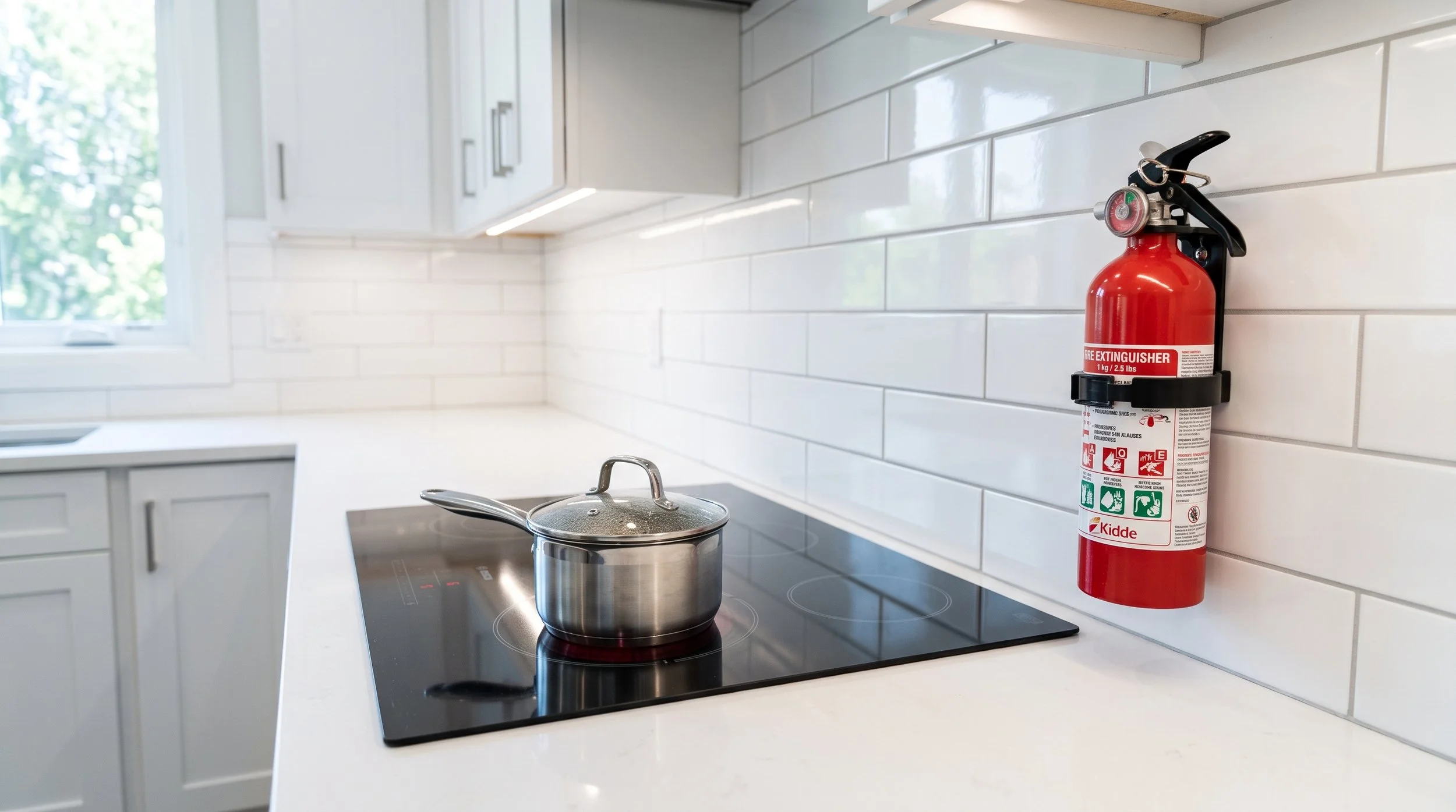
Keep an Operational Fire Extinguisher Nearby: Keep a multi-purpose Class ABC fire extinguisher mounted in or adjacent to the kitchen, and confirm the pressure gauge is in the green zone. Never attempt to extinguish a grease fire with water; smother flames with a lid or use baking soda.
5. Reviewing Homeowners Insurance & Policy Coverage
True fire prevention encompasses protecting your financial well-being before disaster strikes. In Florida's evolving property insurance market, relying on outdated policy values can leave you underinsured in the event of total loss.
Dwelling Coverage (Coverage A): Confirm that your policy limit matches the current cost to rebuild your home based on prevailing Southeast Florida labor and material rates, rather than current real estate market value.
Personal Property Coverage (Coverage C): Maintain an updated digital inventory of your furniture, electronics, clothing, and home equipment.
Scheduled Endorsements: High-value valuables such as fine jewelry, artwork, and collectibles often exceed standard policy limits and require separate scheduled endorsements.
Insurance Inspections: If your insurer requires updated risk documentation, our certified inspectors deliver same-day wind mitigation reports and 4-point insurance inspections to satisfy underwriting requirements and secure available safety discounts.
6. Real Estate Transactions: Fire Safety for Buyers and Sellers
During a property transaction, fire safety and electrical issues frequently surface during the due diligence period:
For Sellers: Proactively addressing missing smoke detectors, clearing dryer vents, and servicing your HVAC before listing eliminates buyer friction. Investing in a pre-listing inspection allows you to resolve minor hazards on your own timeline.
For Buyers: An inspection report is not a pass/fail test; it is an objective diagnostic tool. Identifying an aging water heater, ungrounded outlets, or lack of AFCI breakers gives you clarity and leverage before closing.
Frequently Asked Questions
How often should I replace smoke alarms in Florida homes?
According to NFPA standards, smoke alarms must be replaced every 10 years from their manufacturing date. High humidity in Florida can cause premature sensor degradation, so alarms should be tested monthly and replaced immediately if they fail or chirp continuously.
What is the difference between a smoke alarm and an AFCI breaker?
A smoke alarm alerts occupants after smoke or combustion particles enter its sensing chamber. An Arc-Fault Circuit Interrupter (AFCI) breaker is installed inside your electrical panel to detect dangerous electrical arcing—preventing the fire from starting inside your walls in the first place.
Does a standard home inspection test smoke alarms and electrical panels?
Yes. During a comprehensive Kenco home inspection, our certified inspectors test accessible smoke alarms, evaluate electrical panel interiors, inspect circuit breakers for overheating with infrared tools, check GFCI/AFCI outlets, and evaluate HVAC components.
Protect Your Investment with Southeast Florida's Trusted Inspectors
Don't wait for an emergency to discover a vulnerability in your home. Kenco Home Inspections has protected Florida families and investments for over 24 years across Palm Beach County, Martin County, St. Lucie County, Indian River County, and Broward County.
From full residential inspections to fast insurance reporting, our certified inspectors deliver same-day digital reports with zero guesswork.
Call or Text: (561) 718-6711
Online Booking & Services: kenco.org/services
Preparation Guide: Learn how to prepare for your inspection
Kenco Home Inspections: Family Protecting Families.