What Is a Pre-Drywall Inspection? The Essential Florida New Construction Guide
Building a new construction home in Florida is an exciting journey. From selecting floor plans to choosing finishes, watching a house rise from a concrete slab is deeply satisfying. However, amidst the excitement, home buyers often overlook the single most critical phase of the construction process: the pre-drywall inspection.
Once drywall is installed, the structural framing, rough plumbing, electrical wiring, HVAC ductwork, and hurricane tie-downs are concealed forever. Catching flaws before the walls are closed is the only way to ensure your home is built safely, correctly, and up to Florida's rigorous structural standards.
What Is a Pre-Drywall Inspection?
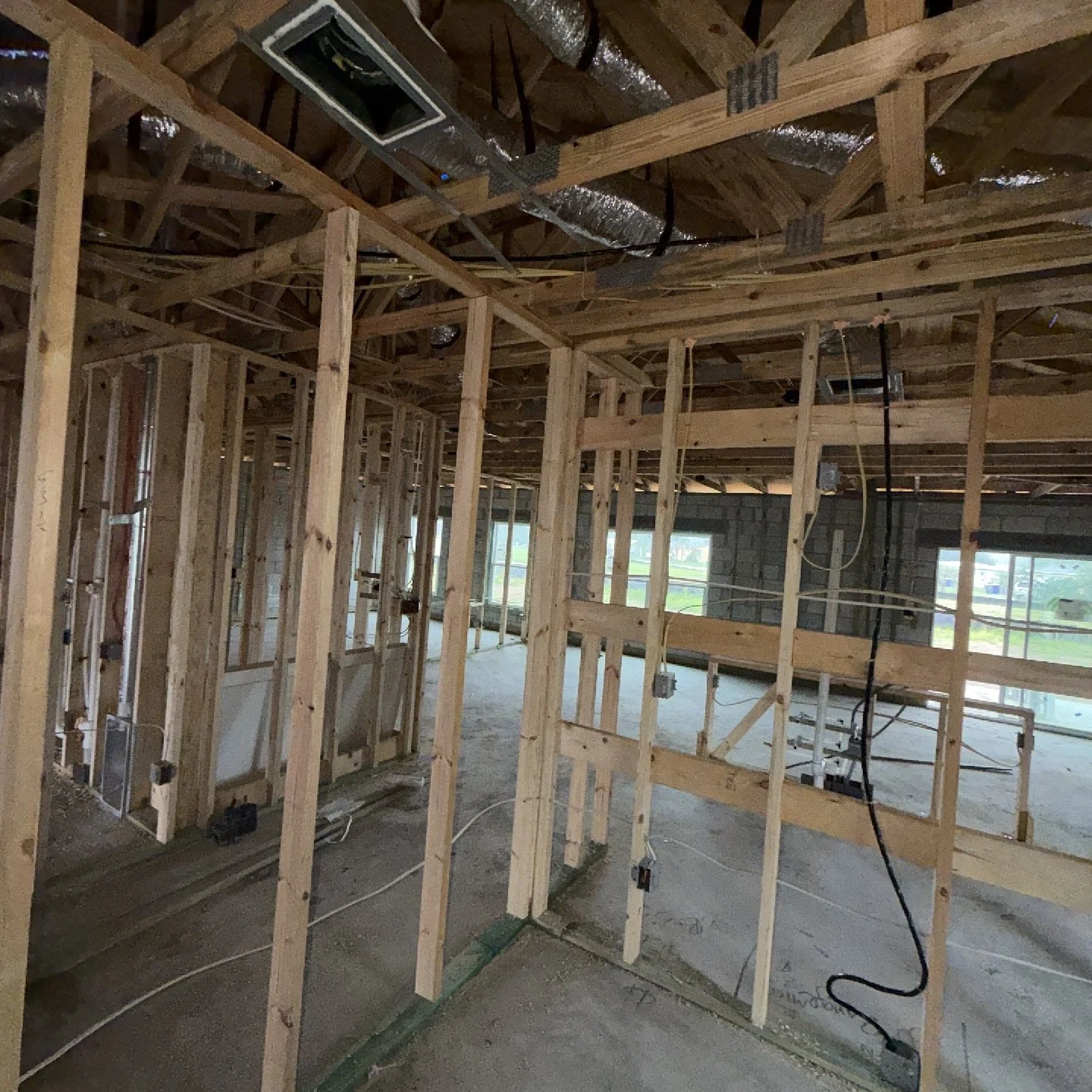
A pre-drywall inspection (also known as a framing or rough-in inspection) occurs after the home’s core structural framing, roof structure, windows, doors, and rough trades (electrical, plumbing, HVAC) are fully installed, but before insulation and drywall panels are hung.
During this brief window, the home’s inner workings are fully exposed. A thorough home inspection by an independent professional allows us to audit the quality of craftsmanship, verify compliance with engineering plans, and catch structural or system deficiencies that municipal inspectors might miss during brief site visits.
Why Florida Homes Require Independent Pre-Drywall Inspections
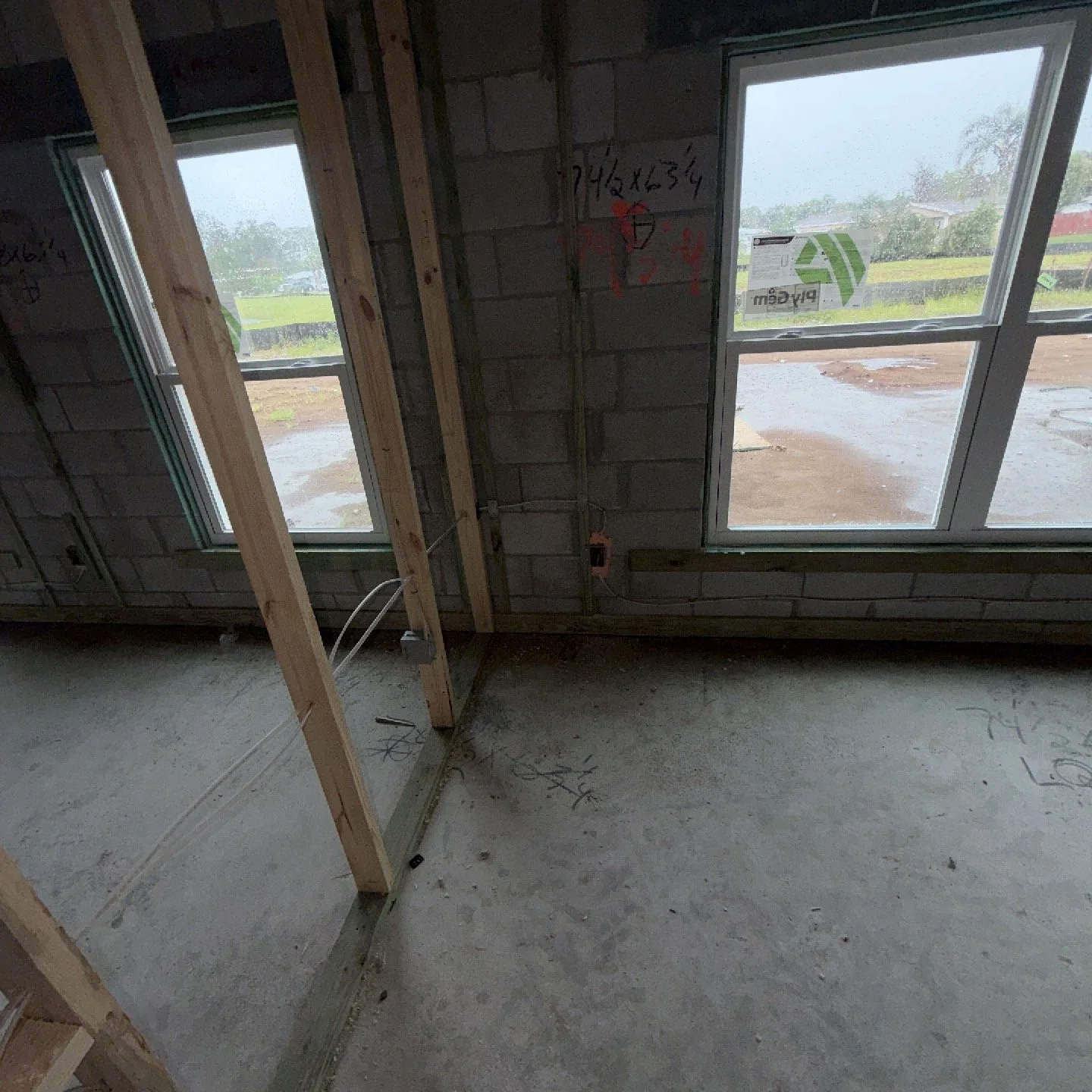
Many buyers assume that municipal building inspectors or the builder’s project managers are thoroughly reviewing every detail. While municipal inspectors serve an important role, their schedules often allow only 10 to 15 minutes per site, focusing strictly on basic code minimums.
Municipal Inspectors vs. Private Certified Master Inspectors
County/City Inspectors: Check for high-level code compliance. They are burdened with heavy daily schedules and cannot spend hours auditing every stud, tie-down, or pipe fitting.
Private Certified Master Inspectors: Work exclusively for you. The team at Kenco spends 2 to 4 hours meticulously auditing every bay, truss connection, line set, and window pan flashing to ensure real-world quality, safety, and longevity based on strict InterNACHI standards of practice.
Subtropical Climate & Storm Resilience
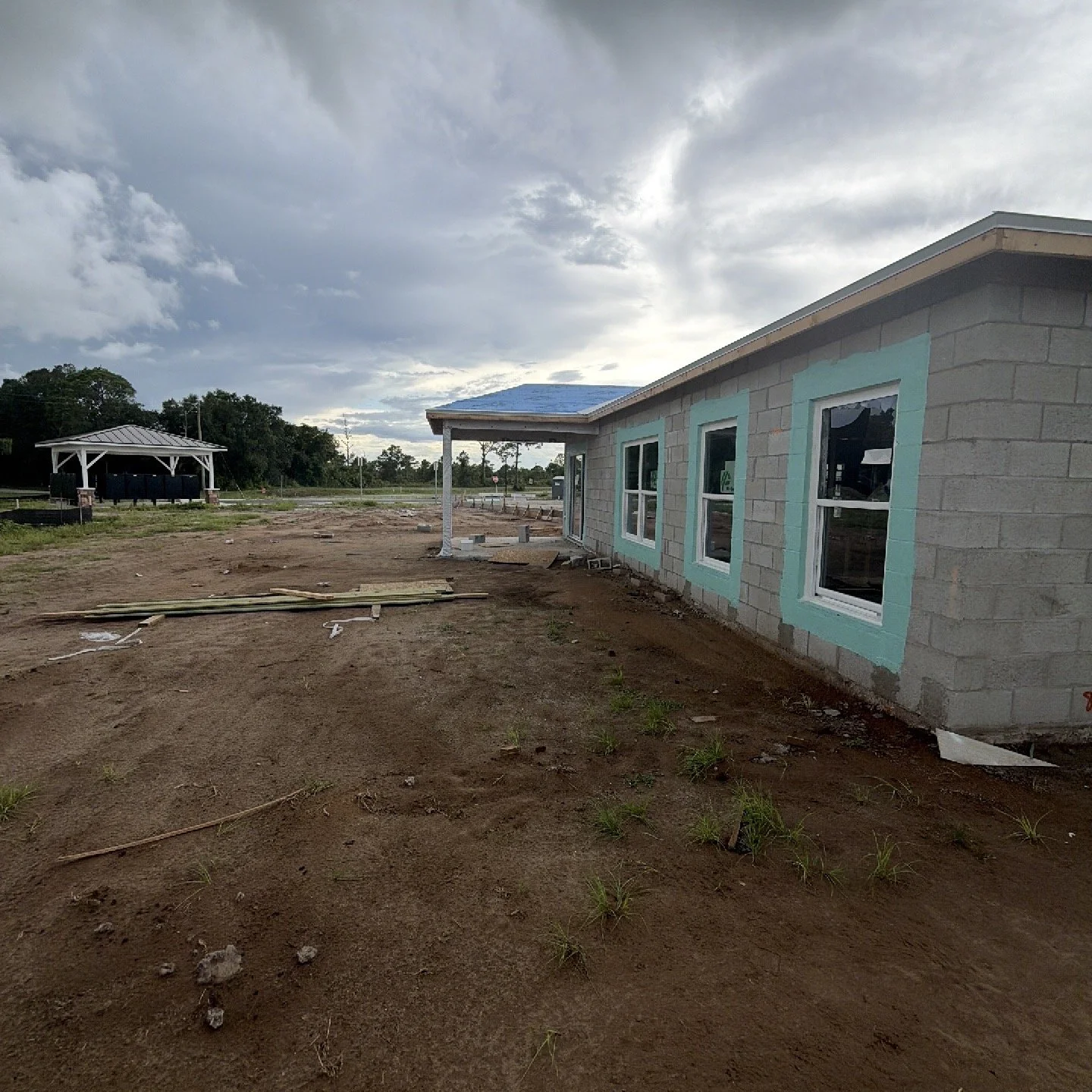
Florida’s harsh environment—characterized by high humidity, tropical storms, severe heat, and hurricane-force winds—demands flawless execution during framing. A single missing hurricane clip, improperly flashed window, or crushed flex duct can result in catastrophic wind damage, roof uplift, or mold growth within months of moving in.
In fact, the Florida Building Code (Section 553.844) dictates strict requirements for roof-to-wall connectors and hurricane strapping to ensure a continuous load path that prevents the roof from lifting off during a hurricane. Once the drywall is up, verifying this critical connection is incredibly difficult without a specialized wind mitigation inspection.
The 5-Point Master Pre-Drywall Checklist
At Kenco Home Inspections, our evaluation covers every exposed system. Here is what our Certified Master Inspectors inspect during a pre-drywall review across Palm Beach County, Martin County, and beyond:
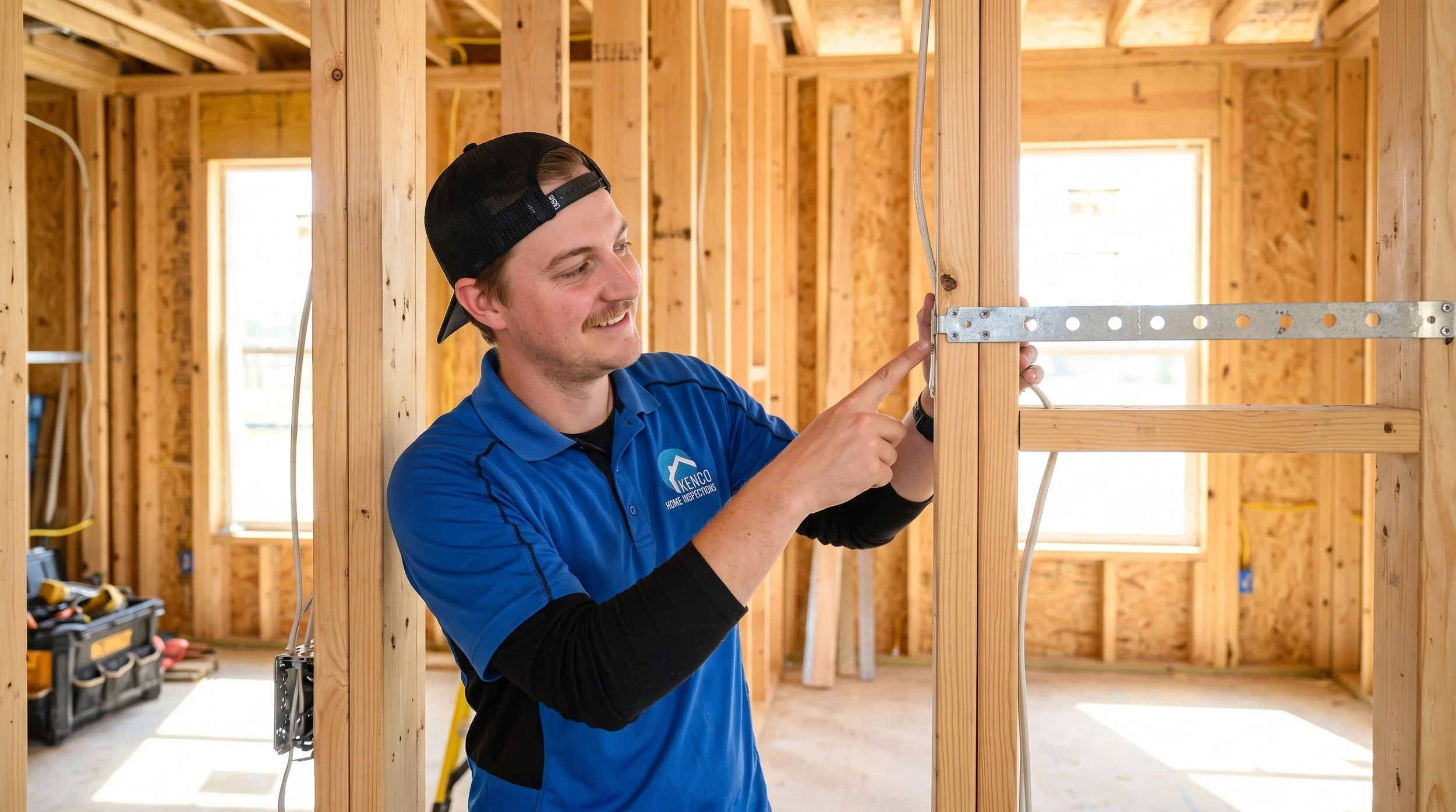
1. Structural Framing & Hurricane Hardware
Florida homes must withstand extreme lateral wind loads. We inspect:
Load-bearing studs, headers, top plates, and bottom plates for bowing, splitting, or improper notch cuts.
Truss connections, ridge beams, and load path continuity.
Proper nail placement, missing fasteners, or improperly bent structural straps.
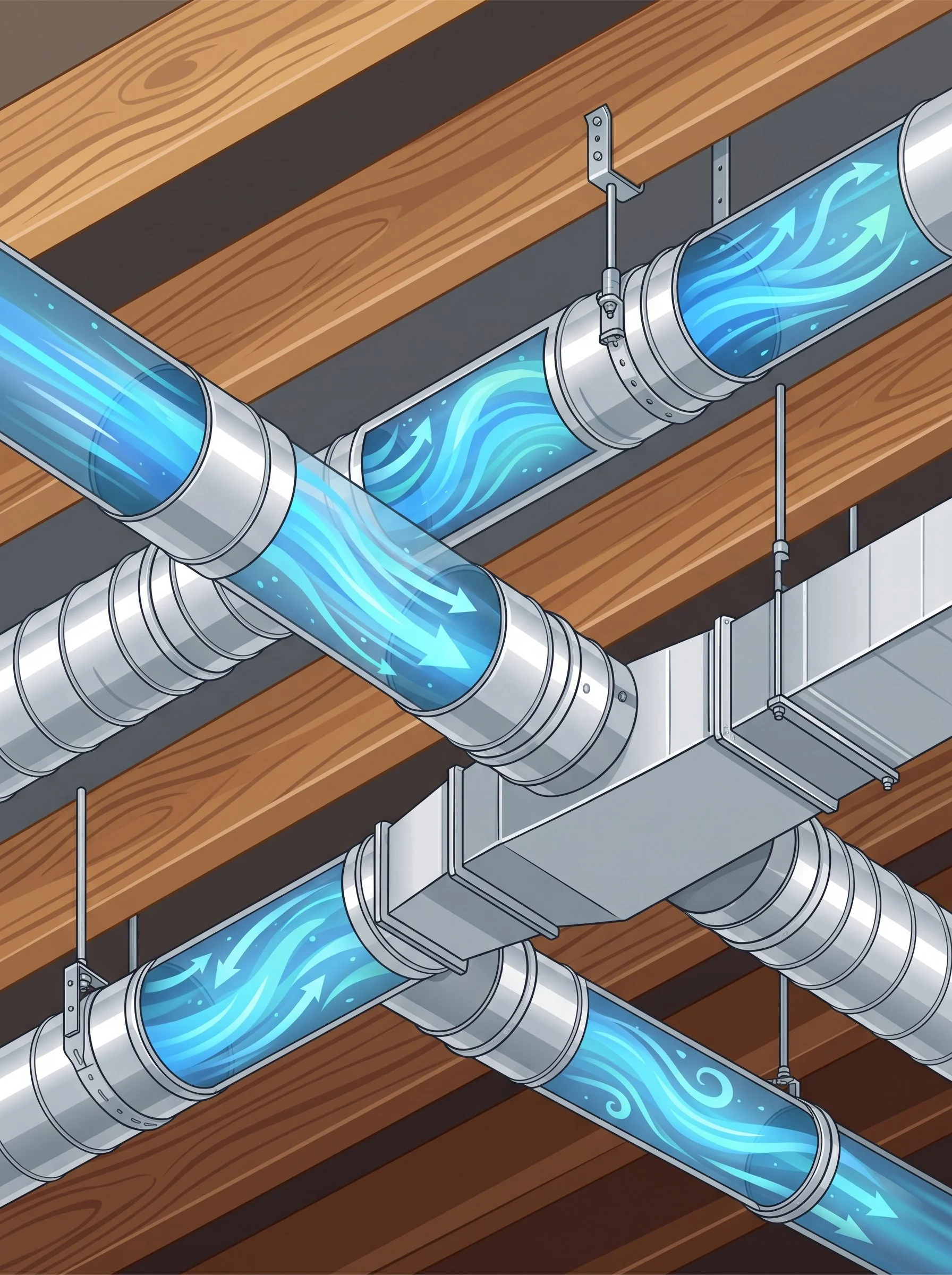
2. HVAC & Ductwork Rough-In
Proper air distribution is crucial in South Florida’s hot, humid climate to prevent the need for future mold inspection and testing:
Inspection of flex ducting for kinks, sharp bends, or crushed sections that restrict airflow.
Verification that duct joints are fully sealed with mastic or approved tape to prevent condensation and energy loss.
Proper sizing and placement of return air grills and condensate drain line routing.
3. Electrical Rough-In
Panel box mounting, ground wire terminations, and circuit layout.
Cable routing through stud wall penetrations (verifying nail protection plates are installed where wires pass close to the stud edge).
Box depths, outlet placement, and dedicated circuit runs for major appliances.
4. Plumbing Rough-In
Water supply lines (PEX/CPVC) pressurized testing and security strapping.
Drain, waste, and vent (DWV) piping layout, slope, and structural stud notched limits. Early detection of pipe issues prevents the need for invasive sewer scope inspections later.
Shower pan liner testing and drain seal verification to prevent costly moisture leaks under tiles.
5. Water Management & Exterior Envelope
Flashing details around exterior doors, windows, and wall penetrations.
House wrap or weather-resistive barrier (WRB) overlaps, taping, and tear repairs.
Roof-to-wall intersection flashing (kick-out flashing) to divert rainwater away from exterior walls.
Most Common Defects Found on Florida Job Sites
Even top-tier builders work with high-volume subcontractors where oversight can lapse. Common defects uncovered during pre-drywall inspections include:
Missing or un-nailed structural hurricane straps.
Severely notched load-bearing studs by plumbers or electricians.
Crushed or improperly supported HVAC ducts.
Unprotected electrical wires running too close to stud edges.
Reverse-sloped plumbing drain pipes.
Missing window flashing and torn wall weather wraps.
Uncovering these flaws while the framing is exposed allows the builder to fix them in hours. Once drywall is hung, fixing these issues requires cutting open walls, repainting, and dealing with major structural or environmental repairs down the road.
Frequently Asked Questions
Is a pre-drywall inspection necessary if the builder offers a warranty? Yes. While a builder's warranty covers defects, discovering a structural or plumbing issue after the drywall is up is highly disruptive. It requires cutting open walls, moving out of rooms, and living in a construction zone. A pre-drywall inspection catches the issues before they are hidden. We also highly recommend an 11-month warranty inspection before your builder's warranty expires.
When should I schedule my pre-drywall inspection? The ideal window is immediately after the local municipal inspector signs off on the framing, electrical, HVAC, and plumbing rough-ins, but before the builder begins installing the insulation and drywall.
Can I just rely on the municipal building inspector? Municipal inspectors are tasked with enforcing the basic minimum code requirements and generally have heavily burdened schedules, sometimes allowing only 15 minutes per home. A private Certified Master Inspector works exclusively for you, spending hours auditing the home for best building practices, longevity, and quality of craftsmanship.
Secure Your Investment Before the Walls Go Up
Don't leave your new construction home's safety and structural integrity to chance. Partner with South Florida’s most trusted inspection team. With over 24 years of experience and 100,000+ completed inspections, Kenco gives you the peace of mind to buy with confidence.
Whether you are building in St. Lucie County, Broward County, or Indian River County, we are here to protect your investment.
Explore All Our Services or call/text (561) 718-6711 today to schedule your pre-drywall inspection.