

Hurricane Preparedness Starts at Home: Is Your Property Ready?
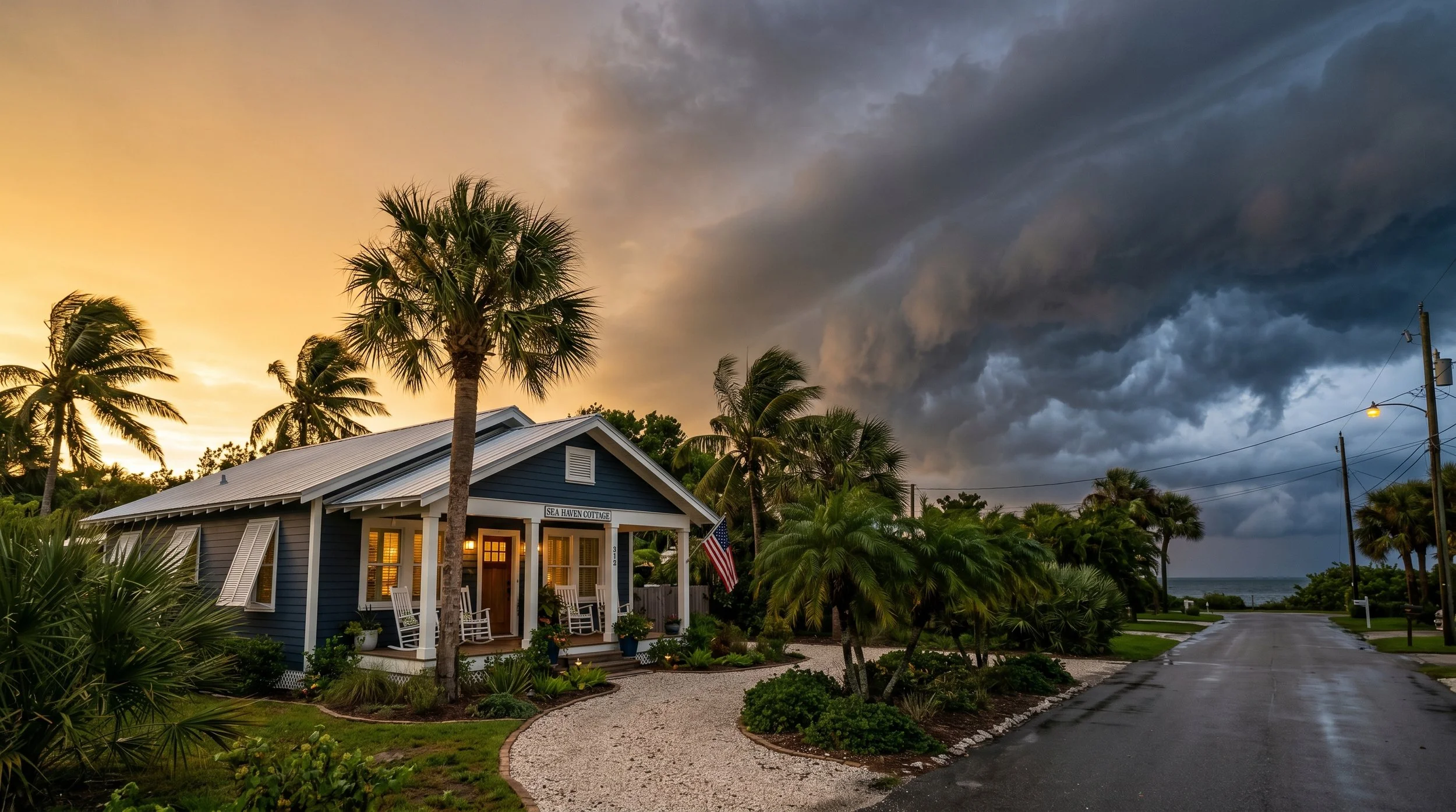
Hurricane season is here, and while many people spend months planning vacations, far fewer spend time preparing for a storm.
Yet every year, hurricanes cause costly damage to homes, personal belongings, important documents, and businesses across Florida. From roof-shredding Category 4 winds to catastrophic storm surge flooding, the Sunshine State has seen it all — and will see it again.
But here is the hard truth most people don't realize until it's too late:
Many of the homes severely damaged during a hurricane were already vulnerable BEFORE the storm even formed.
Cracked shingles. Poor drainage. Unsecured doors. Hidden moisture intrusion. These pre-existing weaknesses are exactly what turn a survivable storm into a total loss.
The question isn't if a storm could happen — it's whether you're prepared to recover when it does.

4 Steps to Protect Your Home Before Hurricane Season
Let's break down exactly what you need to do — starting today.
1. Schedule a Professional Home Inspection
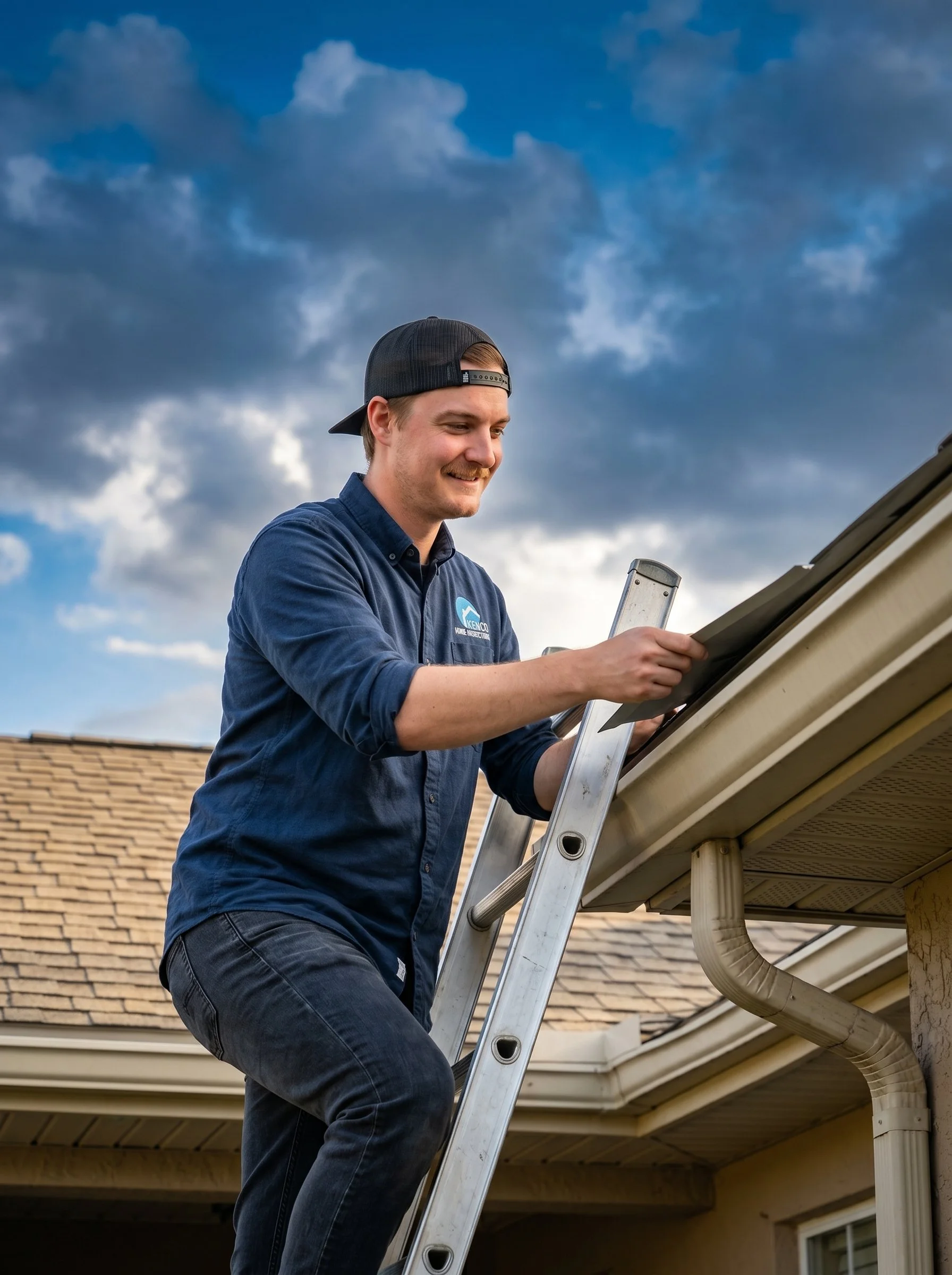
A professional home inspection can identify roofing issues, exterior damage, moisture intrusion, and other vulnerabilities before a storm makes them worse.
This is one of the most overlooked steps in hurricane preparedness — and arguably the most important. You can sandbag every door and board up every window, but if your roof was already compromised, no amount of preparation will save it from a Category 3 wind event.
A trained inspector will evaluate:
The Roof — Checking for missing, cracked, or aging shingles; loose flashing; and weak attachment points.
Wind Mitigation Features — Documenting the presence of hurricane straps, clips, and proper toe-nailing that dramatically improve your home's structural integrity during a storm.
Exterior Drainage — Ensuring gutters, downspouts, and grading are directing water AWAY from the foundation.
Door and Window Seals — Identifying gaps and weather stripping failures that could allow water intrusion.
Your wind mitigation inspection is especially valuable — not only does it assess your home's hurricane resistance, but the findings can also qualify you for significant discounts on your homeowner's insurance.
Don't wait until a hurricane is bearing down on Florida to find out your roof is already failing. Book a roof inspection with Kenco Home Inspections today.
2. Protect Your Important Documents
When a hurricane strikes, your home's structure isn't the only thing at risk. Floodwaters and high winds can destroy critical paperwork that you will desperately need during recovery — your insurance policies, property deeds, identification, and financial records.
Take these steps now:
Digitize Everything — Scan all important documents and upload them to a secure, cloud-based storage system (like Google Drive or Dropbox).
Invest in a Waterproof Fire Safe — Store physical copies of insurance policies, deeds, medical records, and emergency contacts in a certified waterproof and fireproof safe.
Keep One "Go Bag" with Copies — Store a small folder of essential documents (insurance policy number, emergency contacts, ID copies) in a sealed, waterproof bag that you can grab quickly if you need to evacuate.
Document Your Belongings — Take video and photos of every room in your home, including serial numbers for electronics and appliances. This makes filing insurance claims significantly faster.
When disaster strikes, the last thing you want to be doing is digging through waterlogged boxes searching for your policy number.
3. Create a Comprehensive Emergency Plan
Hope for the best, but plan for the worst.
Every household needs a written emergency plan that every family member — including children — understands and can execute quickly. This is especially critical for Florida, where evacuation orders can come with as little as 24 hours' notice.
Your plan should include:
Evacuation Routes — Know your primary and alternate routes out of your neighborhood. If you live near the coast, your zone determines whether you evacuate east, west, or inland.
Shelter Options — Know where the nearest public shelter is, and also identify friends or family you could stay with if hotels are full.
Emergency Contacts — Write down an out-of-state contact person who can serve as a central hub for your family to check in with. After a major storm, local cell towers may be down, but long-distance calls may still go through.
Medication & Medical Needs — Keep a 7-day supply of all prescription medications in your emergency kit. Note any special equipment needs (oxygen, insulin, mobility devices).
Pet Planning — Never leave your pets behind. Research pet-friendly shelters and hotels in advance. Keep vaccination records and a pet carrier accessible.
Supply Kit — Prepare a "go bag" for each family member with at least 3 days of water, non-perishable food, a flashlight, batteries, a first aid kit, and a phone charger.
Pro tip: Walk through your emergency plan with your entire family before hurricane season starts. Run a quick drill so everyone knows where the supplies are and what to do if an evacuation order is issued.
4. Secure Your Property Now
Before a storm is bearing down on your neighborhood, walk your property and address these key areas:
Roof — Look for loose or missing shingles. Check that flashing around chimneys and vents is secure. If your roof is more than 15-20 years old, consider having a professional roof inspection done before hurricane season peaks.
Windows and Doors — Inspect weather stripping and door sweeps. If you don't have impact-rated windows, invest in hurricane shutters or at minimum, get high-rated plywood covers ready to install.
Gutters and Downspouts — Clean all gutters and ensure downspouts are directing water at least 3 feet away from the foundation. Clogged gutters can cause water to pool on the roof or overflow directly against the foundation walls.
Trees and Landscaping — Trim all tree branches that could feasibly hit your home or windows. Remove any dead or diseased trees entirely. Secure or store outdoor furniture, potted plants, and lawn decorations — all of these become dangerous projectiles in 100+ mph winds.
Garage Doors — Garage doors are one of the most vulnerable points in a home during a hurricane. If yours is older or not reinforced, install a hurricane brace kit.
Small maintenance tasks completed today can mean the difference between minor damage and total roof loss.
Preparation Brings Peace of Mind
Disaster preparedness isn't just about hurricanes.
It's about protecting what matters most — your family, your pets, your home, your business, and your future.
The most successful homeowners don't prepare because they expect the worst. They prepare because they understand that protecting their investment starts before the storm — not during it.
An ounce of prevention truly is worth a pound of cure. A professional home inspection today can identify problems that a hurricane would expose tomorrow. Securing your documents now means one less thing to worry about when the skies darken. And having a family emergency plan means your loved ones can move quickly and confidently when every second counts.
One Final Question
If a disaster struck tomorrow, would you spend your time recovering — or searching for important documents and trying to catch up on maintenance you wish had been done?
The truth is, the time to act is right now — before the forecast turns ominous and the store shelves empty.
Prepare today. Protect tomorrow.
And if you're in the process of buying a home in Florida, don't skip the most important step: a thorough home inspection that can reveal vulnerabilities before you sign on the dotted line. Our team at Kenco Home Inspections specializes in comprehensive assessments that give you the full picture of your property's storm-readiness — so you can negotiate with confidence and protect what matters most.
Ready to schedule your inspection? 👉 Contact Kenco Home Inspections Today
